Monitorix – A Linux System and Network Monitoring Tool
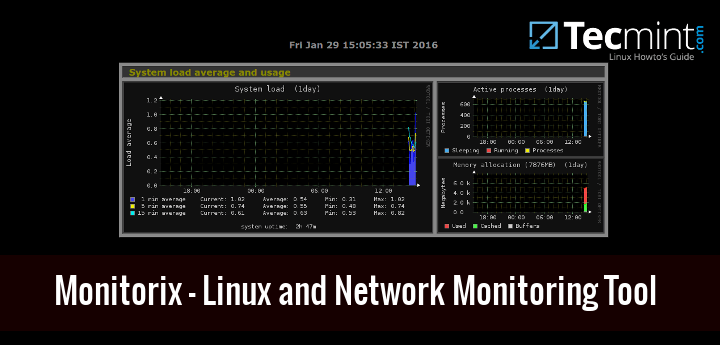
Monitorix is an open-source, free, and most powerful lightweight tool designed to monitor system and network resources in Linux. It

Hi, I’m Ravi Saive, a passionate Linux enthusiast with over 16+ years of experience. I have written more than 3000+ articles on Linux, sharing my knowledge and expertise with the community.
Welcome to my blog! I share easy-to-follow articles on Linux, SysAdmin, Cloud, and DevOps. With over 250+ million visitors, Tecmint has helped many people grow their Linux careers.
Join me in exploring the world of open-source and unlock the power of Linux by subscribing to our weekly newsletter or checking out our Pro Courses for deeper learning!

Monitorix is an open-source, free, and most powerful lightweight tool designed to monitor system and network resources in Linux. It

Written in PHP, WordPress is one of the most popular and widely used CMS (Content Management Systems). It is free
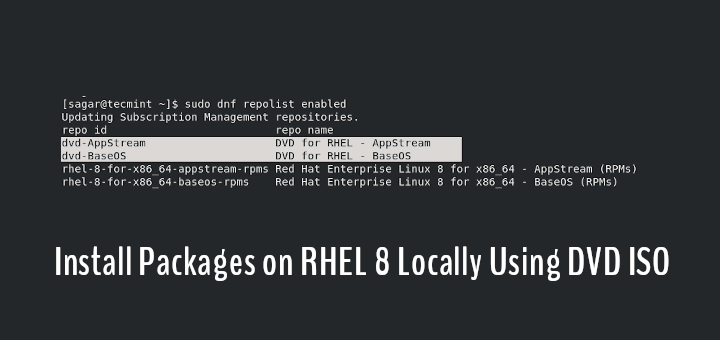
Often, when we want to have a local repository for our RHEL 8 system to install packages without internet access
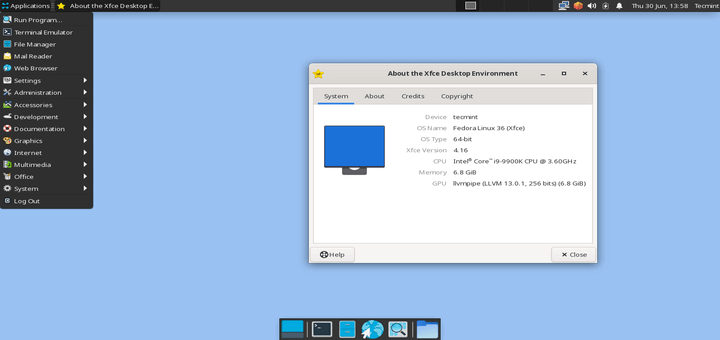
Many Fedora users are unaware of the fact that you do get an option to choose other Desktop Environments apart
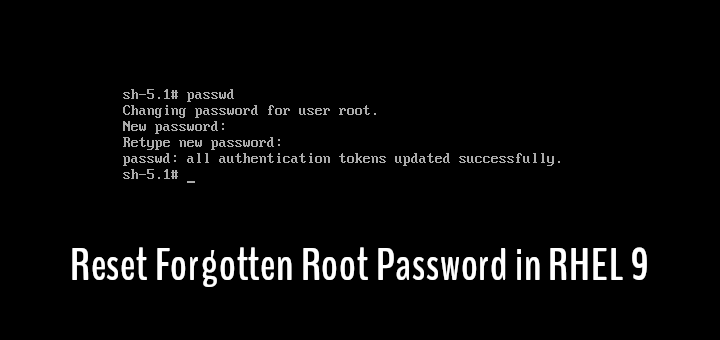
While installation of RHEL 9, the installer recommends we choose a complex password and while making the password complex enough,

It’s no brainier that PHP is one of the most used server scripting programming languages. It makes sense for an

Nextcloud is an open-source content collaboration platform that makes it possible to create secure file storage with sharing and synchronization

If you are using Computers for while, you must be familiar with the word “Firewall”. We know that things do
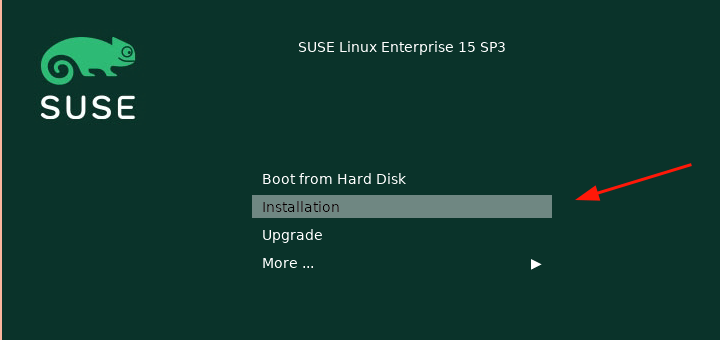
SUSE Enterprise Linux Server (SLES) is a modern and modular Linux distribution that was developed mainly for servers and mainframes.
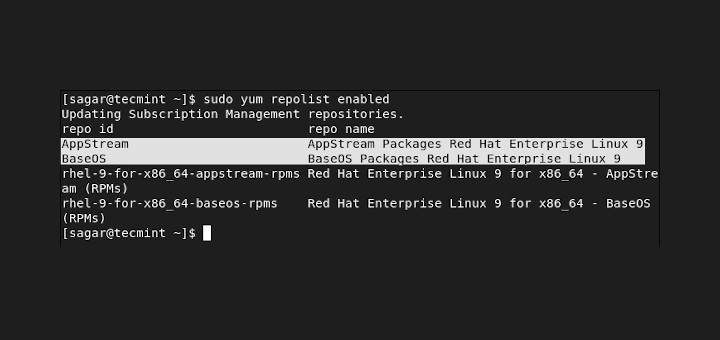
Linux has always been known for its flexibility and installing packages from ISO is one of them. There are many

Previously, in our NGINX traffic management and security controls series, we have discussed how to limit the number of connections
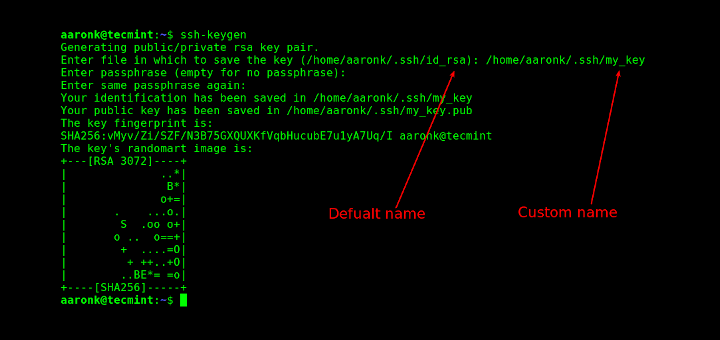
One of the well-known and generally accepted OpenSSH best security practices is to configure and use public key authentication a.k.a