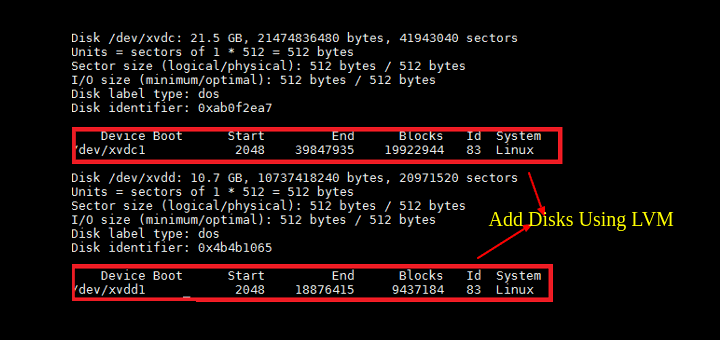
How to Add New Disks Using LVM to an Existing Linux System
LVM (Logical Volume Management) is a flexible and advanced option available to manage hard disks in most of the major

LVM (Logical Volume Management) is a flexible and advanced option available to manage hard disks in most of the major
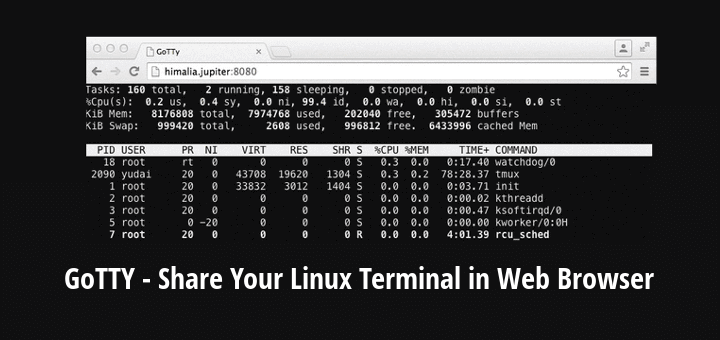
GoTTY is a simple GoLang based command line tool that enables you to share your terminal(TTY) as a web application.
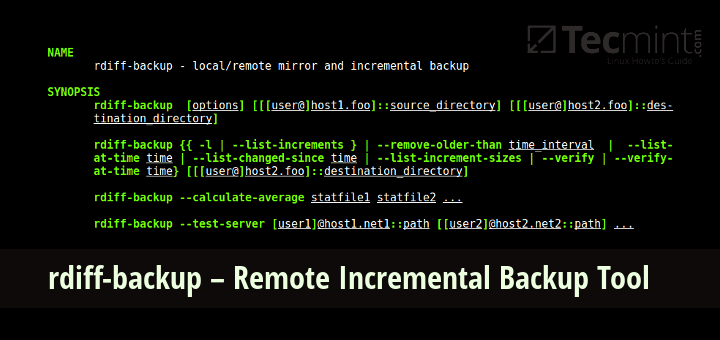
rdiff-backup is a powerful and easy-to-use Python script for local/remote incremental backup, which works on any POSIX operating system such
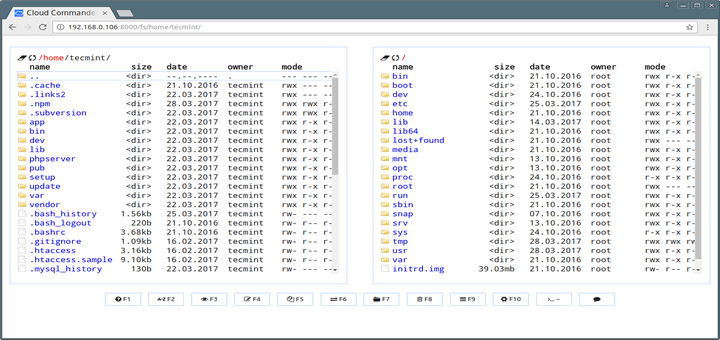
Cloud Commander (cloudcmd) is a simple open source, traditional yet useful cross-platform web file manager with console and editor support.
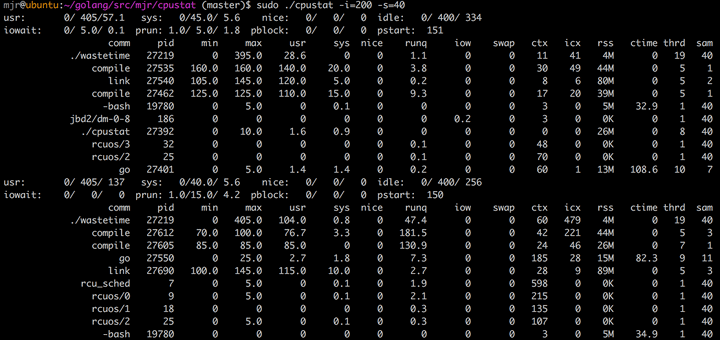
Cpustat is a powerful system performance measure program for Linux, written using Go programming language. It attempts to reveal CPU
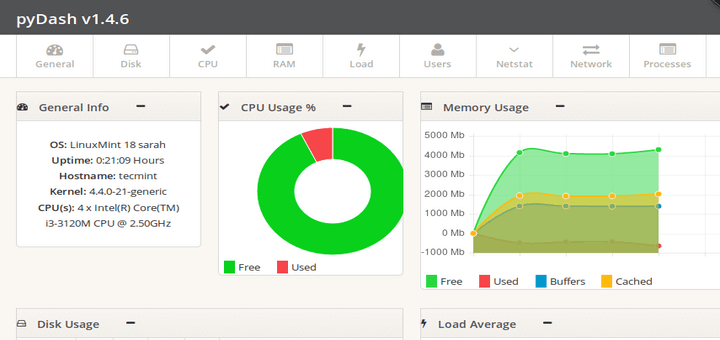
pydash is a lightweight web-based monitoring tool for Linux written in Python and Django plus Chart.js. It has been tested
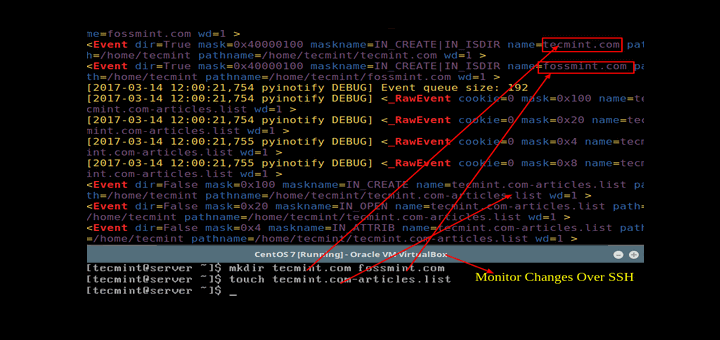
Pyinotify is a simple yet useful Python module for monitoring filesystems changes in real-time in Linux. As a System administrator,
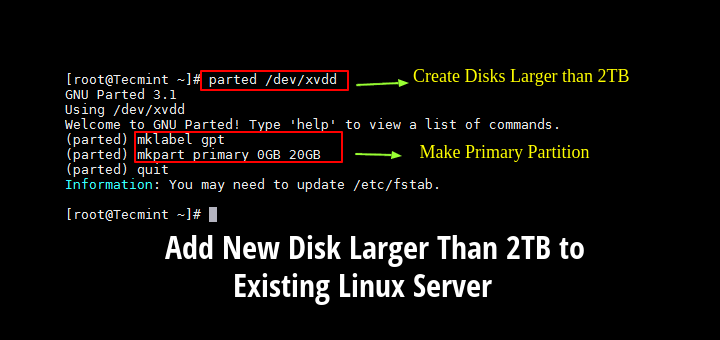
Have you ever tried to do the partitioning of hard disk larger than 2TB using fdisk utility and wondered why
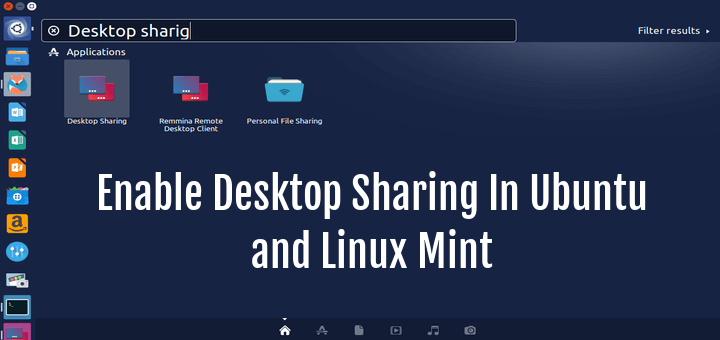
Desktop sharing refers to technologies that enable remote access and remote collaboration on a computer desktop via a graphical terminal

In this article, we will walk through a basic understanding of processes and briefly look at how to manage processes
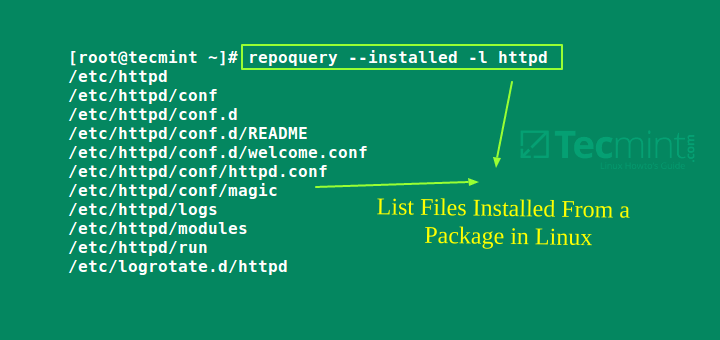
Have you ever wondered where the various files contained inside a package are installed (located) in the Linux file system?
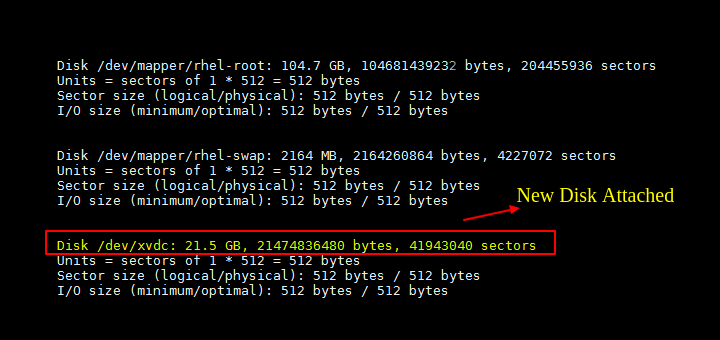
As system administrators, we would have got requirements wherein we need to configure raw hard disks to the existing servers