
Nishita Agarwal Shares Her Interview Experience on Linux ‘iptables’ Firewall
Nishita Agarwal, a frequent Tecmint Visitor shared her experience (Question and Answer) with us regarding the job interview she had

Hi, I’m Ravi Saive, a passionate Linux enthusiast with over 16+ years of experience. I have written more than 3000+ articles on Linux, sharing my knowledge and expertise with the community.
Welcome to my blog! I share easy-to-follow articles on Linux, SysAdmin, Cloud, and DevOps. With over 250+ million visitors, Tecmint has helped many people grow their Linux careers.
Join me in exploring the world of open-source and unlock the power of Linux by subscribing to our weekly newsletter or checking out our Pro Courses for deeper learning!

Nishita Agarwal, a frequent Tecmint Visitor shared her experience (Question and Answer) with us regarding the job interview she had
LAMP stack is a combination of the most frequently used open source software related to web service. This group includes

This tutorial will guide you on installing latest release of Debian 8 (codename Jessie) with /home and /var LVM partitions

During this series we have explored in detail at least two access control methods: standard ugo/rwx permissions (Manage Users and

Fedora 22 has been released on May 26, 2015 and we have been following it since the time it was
May 26, 2015 marked the release of Fedora 22, which comes in three editions viz., Workstation (for Desktop and Laptops
Fedora Project has proudly announced the general availability of Fedora 22. Fedora 22 which don’t have a name has succeeded
DNF aka Dandified YUM is a next generation Package Manager for RPM based Distribution. It was first introduced in Fedora

This article will walk through the process of upgrading Fedora 21 to Fedora 22 with use of Fedora Updater tool
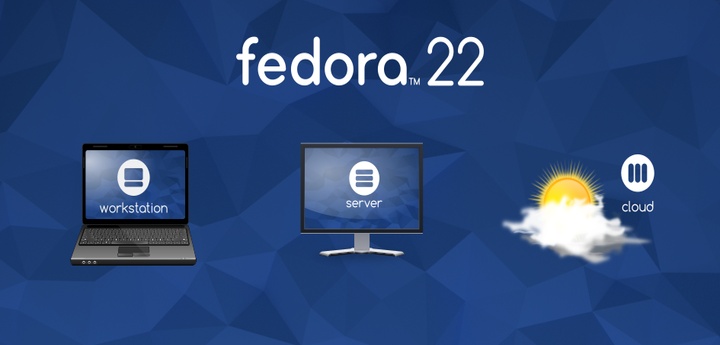
The Fedora project has announced the release of one of the most awaited Linux Distribution (of the Year 2015) Fedora
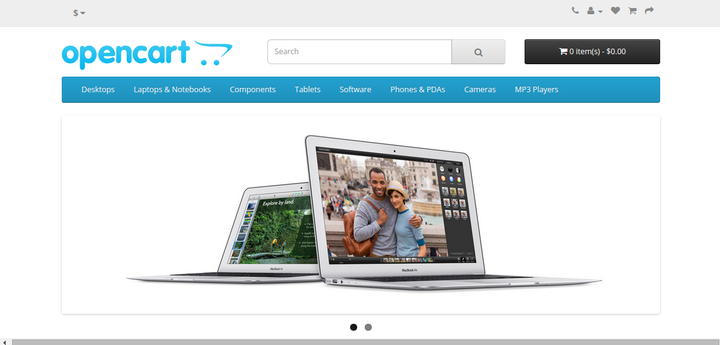
In the Internet world we are doing everything using a computer. Electronic Commerce aka e-commerce is one one of them.

How do we kill a resource/process in Linux? Obviously we find the PID of the resource and then pass the