
How to Check Exit Status for Command in Linux
When working on a Linux system, every command you run returns a status code (also called an exit status or

When working on a Linux system, every command you run returns a status code (also called an exit status or

DNS (Domain Name System) is a fundamental facilitator of several networking technologies such as mail servers, Internet browsing, and streaming

Since diagrams such as networks, organizational structures, system architectures, workflows, etc., have become an indispensable part of both technical and

Zip is a command-line utility tool used for compressing files and folders. Compression of files & folders enables faster and
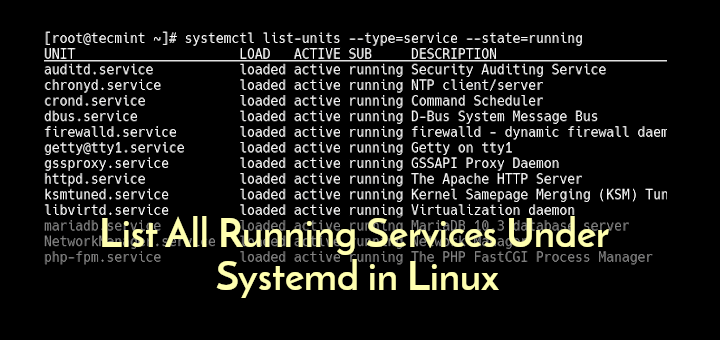
Linux systems provide a variety of system services (such as process management, login, syslog, cron, etc.) and network services (such

Odoo is the ideal open-source enterprise software for teams and businesses that value flexibility, data privacy, and affordability. Due to
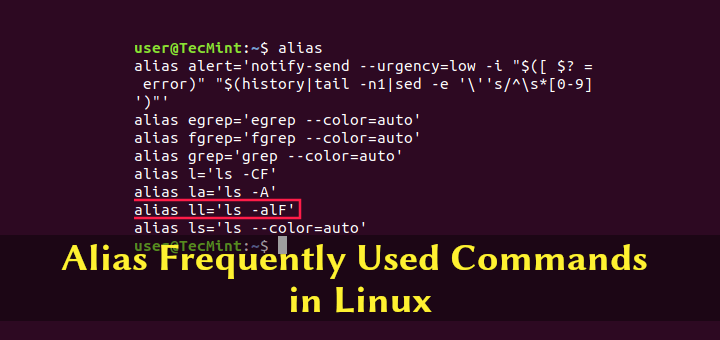
Linux users often need to use one command over and over again. Typing or copying the same command over and
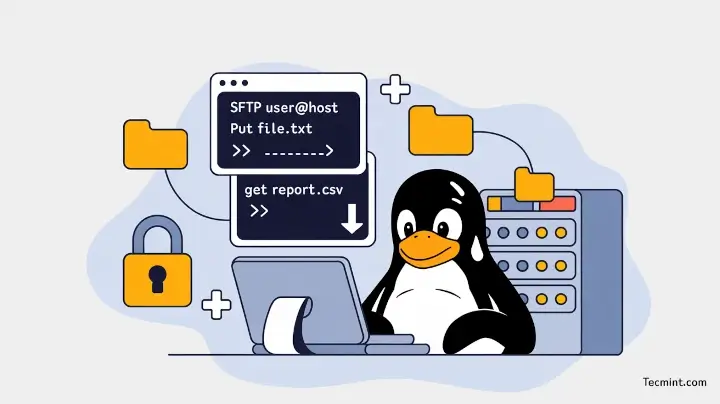
File Transfer Protocol (FTP) was once a widely used method for transferring files or data remotely. However, it transmits information
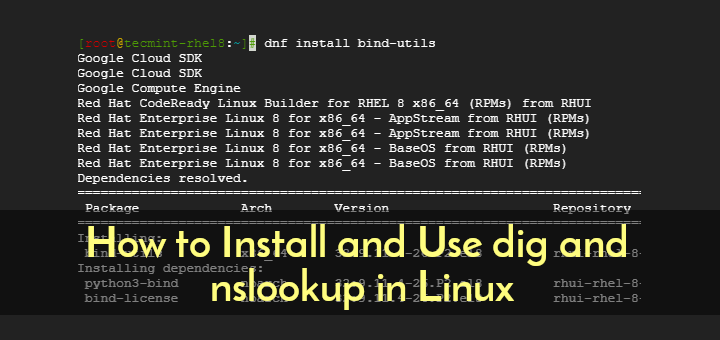
If you’re working with networks, managing domains, or troubleshooting connectivity issues, two essential tools you’ll come across are dig and

A system administrator’s routine tasks include configuring, maintaining, troubleshooting, and managing servers and networks within data centers. There are numerous

If you’ve ever tried to set up HTTPS locally for development, you’ve probably run into a wall of complexity. Generating

Linux configuration files are often plain text, which makes them easily editable using command-line tools. Among the most powerful of