Skip to content
⏳ Offer Ends Soon: Get 17 Linux courses, 4 certification courses, 7 eBooks and all future releases for life, just $99 → [Join Now]
Tecmint: Linux Howtos, Tutorials & Guides
  • Latest Tutorials
  • Commands
    • A – Z Linux Commands
    • 100+ Linux Commands
  • Tools
  • Distros
    • Linux Distros for Beginners
    • Linux Distros for Experts
    • New Linux Distros
    • Linux Server Distros
    • Secure Linux Distros
    • CentOS Alternatives
    • RedHat Distributions
    • Debian Distributions
    • Ubuntu Distributions
    • Arch Linux Distros
    • Rolling Linux Distros
    • KDE Linux Distros
    • Linux Distros for Old PC
    • Linux Distros for Kids
    • Linux Distributions for Students
    • Linux Distros for Windows
  • Courses
    • Bash Scripting
    • Learn Linux
    • AI for Linux
    • RHCSA Certification
    • RHCE Certification
    • LFCS Certification
  • eBooks
    • RHCSA Exam
    • RHCE Exam
    • LFCS Exam
    • LFCE Exam
    • LFCA Exam
    • Ansible Exam
  • About
  • Advertise

commandline tools

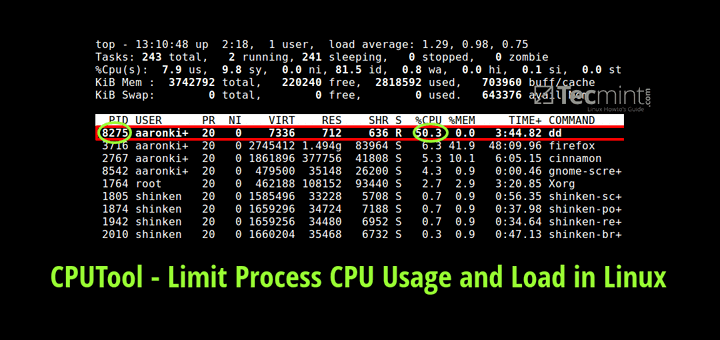
Limit Linux Process CPU Usage and Load

CPUTool – Limit and Control CPU Utilization of Any Process in Linux

One of the critical areas under Linux performance monitoring has to be CPU usage and system load. There are several

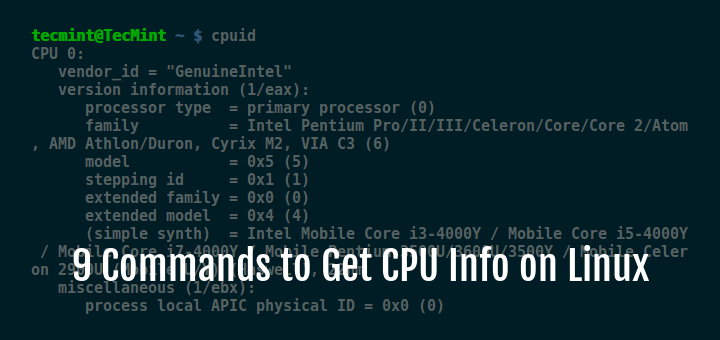
Commands to Check Linux CPU Information

9 Useful Commands to Get CPU Information on Linux

In a previous article, we put together a list of 10 useful commands to collect system and hardware information in
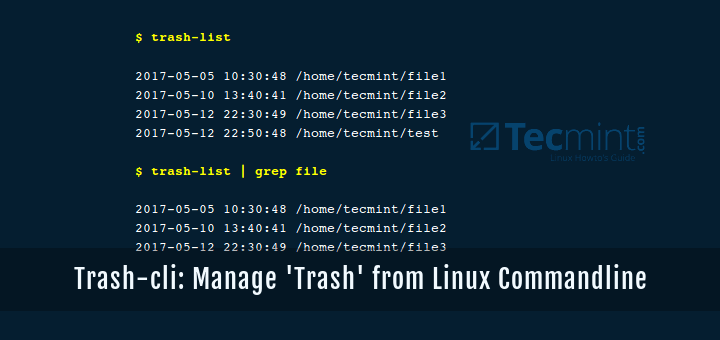
Manage ‘Trash’ from Linux Command Line

Trash-cli – A Trashcan Tool to Manage ‘Trash’ from Linux Command Line

Trash-cli is a command line interface that trashes files and records the original absolute path, deletion date, and associated permissions.

Shows a Color-coded Graph of Linux Load Average

ttyload – Shows a Color-coded Graph of Linux Load Average in Terminal

ttyload is a lightweight utility which is intended to offer a color-coded graph of load averages over time on Linux
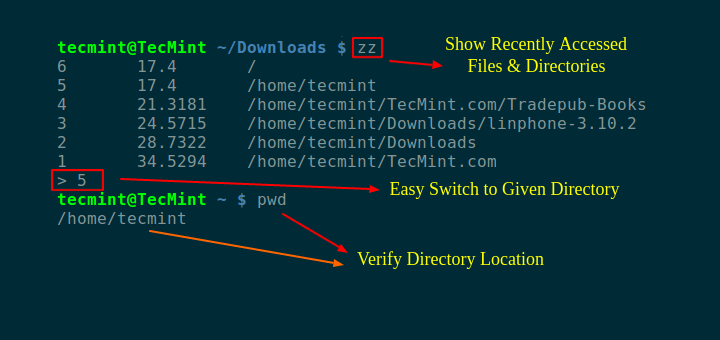
Fasd - Quick Access to Files and Directories

Fasd – A Commandline Tool That Offers Quick Access to Files and Directories

Fasd (pronounced as “fast“) is command-line productivity booster, a self-contained POSIX shell script which enables quick and more efficient access
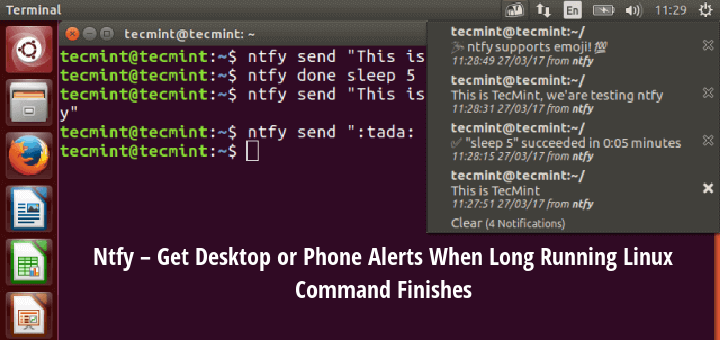
Get Linux Command Desktop Notifications

Ntfy – Get Desktop or Phone Alerts When Long Running Command Finishes

Ntfy is a simple yet serviceable cross-platform Python utility that enables you to automatically get desktop notifications on demand or
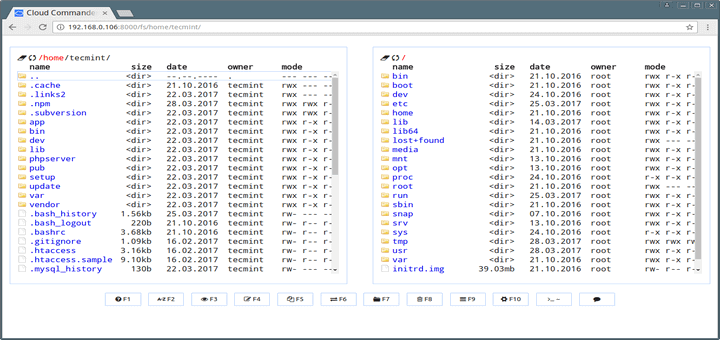
Cloud Commander Linux Web File Manager

Cloud Commander – Web File Manager to Control Linux File and Programs via Browser

Cloud Commander (cloudcmd) is a simple open source, traditional yet useful cross-platform web file manager with console and editor support.
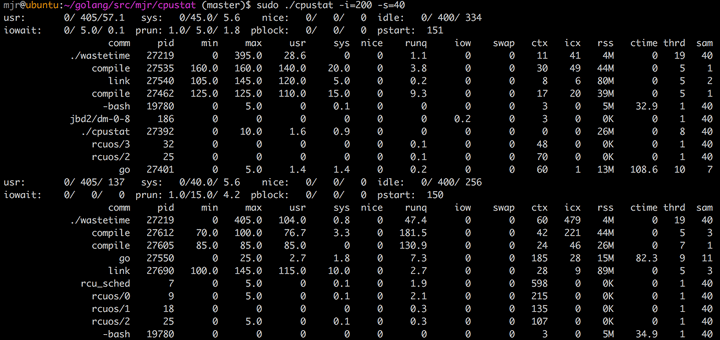
Cpustat Monitor Linux CPU Utilization

Cpustat – Monitors CPU Utilization by Running Processes in Linux

Cpustat is a powerful system performance measure program for Linux, written using Go programming language. It attempts to reveal CPU
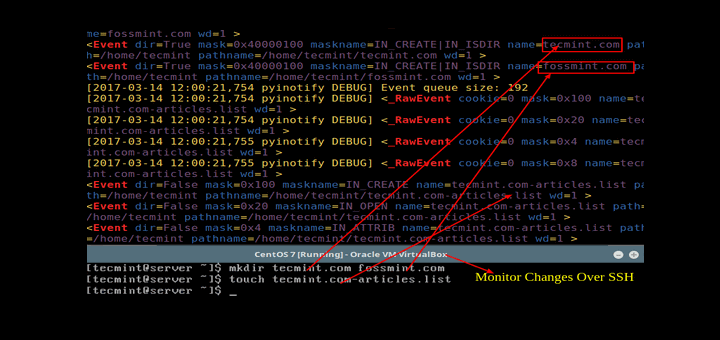
Pyinotify – Monitor Linux Filesystem Changes

Pyinotify – Monitor Filesystem Changes in Real-Time in Linux

Pyinotify is a simple yet useful Python module for monitoring filesystems changes in real-time in Linux. As a System administrator,
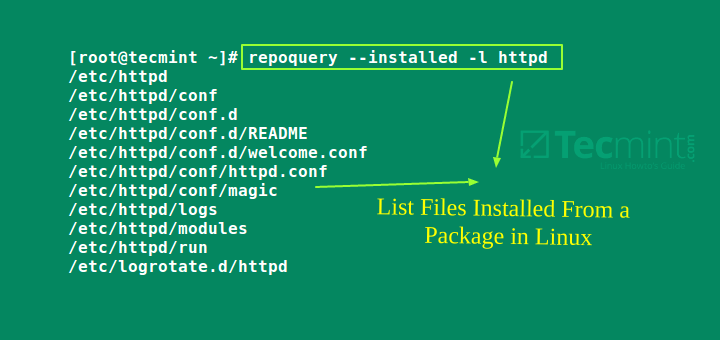
List Files Installed From a Package in Linux

How to List Files Installed From a RPM or DEB Package in Linux

Have you ever wondered where the various files contained inside a package are installed (located) in the Linux file system?
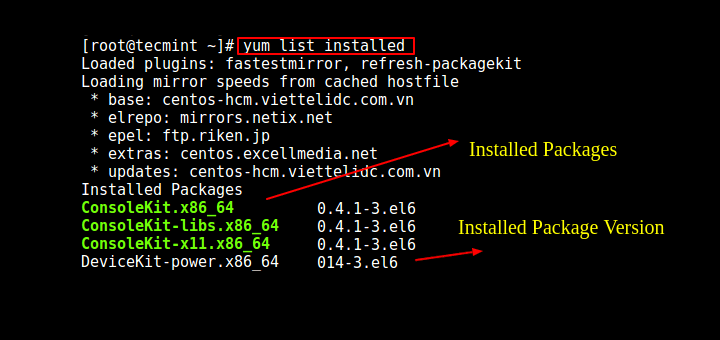
List All Installed Packages in CentOS

3 Ways to List All Installed Packages in RHEL, CentOS and Fedora

One of the several duties of a system administrator is to install and manage software on a computer system-Linux in
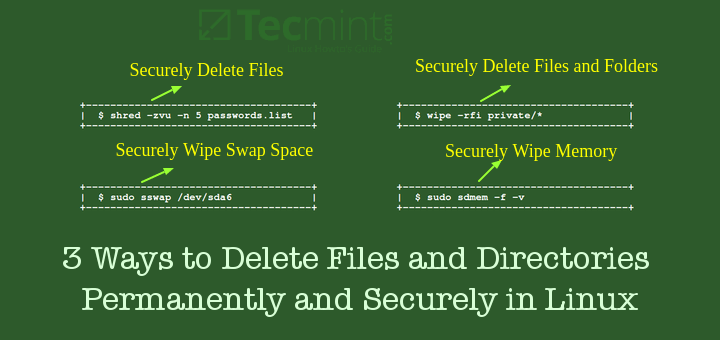
Delete Files Securely Permanently in Linux

3 Ways to Permanently and Securely Delete ‘Files and Directories’ in Linux

In most cases the means we use to delete a file from our computers such as using Delete key, Trash

Older posts
Newer posts
← Previous Page1 … Page10 Page11 Page12 Next →

Get Two Free Linux Courses

Join 34,000+ readers learning Linux with practical TecMint tutorials every week.

Free newsletter + free member access.
Prefer TecMint on Google
See more TecMint results in Google Search.
Preferred source Add TecMint →
Popular Pro Courses Structured Linux learning from TecMint.
01 SSH Complete Course → 02 Linux for DevOps Engineers → 03 100+ Essential Linux Commands → 04 RHCSA Certification Course → 05 Claude Code for Sysadmins → 06 Learn Linux in 7 Days → See all 18 courses→
Tecmint: Linux Howtos, Tutorials & Guides © 2026. All Rights Reserved.

The material in this site cannot be republished either online or offline, without our permission.

Hosting Sponsored by : Linode Cloud Hosting