How to Configure and Use PAM in Linux
Linux-PAM (short for Pluggable Authentication Modules which evolved from the Unix-PAM architecture) is a powerful suite of shared libraries used

Hi, I’m Ravi Saive, a passionate Linux enthusiast with over 16+ years of experience. I have written more than 3000+ articles on Linux, sharing my knowledge and expertise with the community.
Welcome to my blog! I share easy-to-follow articles on Linux, SysAdmin, Cloud, and DevOps. With over 250+ million visitors, Tecmint has helped many people grow their Linux careers.
Join me in exploring the world of open-source and unlock the power of Linux by subscribing to our weekly newsletter or checking out our Pro Courses for deeper learning!

Linux-PAM (short for Pluggable Authentication Modules which evolved from the Unix-PAM architecture) is a powerful suite of shared libraries used
Web development trends have changed drastically over the last few years and as a web developer, to be at the
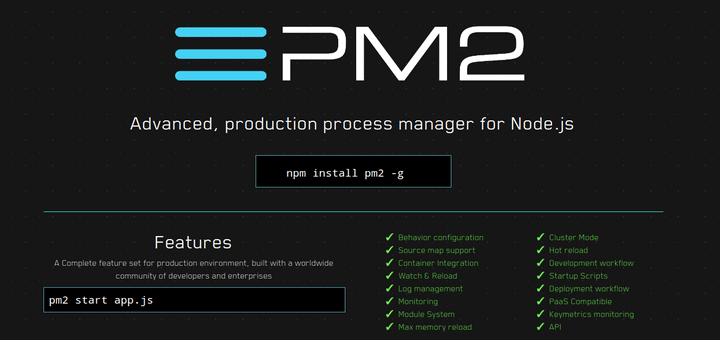
PM2 is a free open source, advanced, efficient and cross-platform production-level process manager for Node.js with a built-in load balancer.

A backup is the last defense against data loss, offering a means to restore original data. You can use either
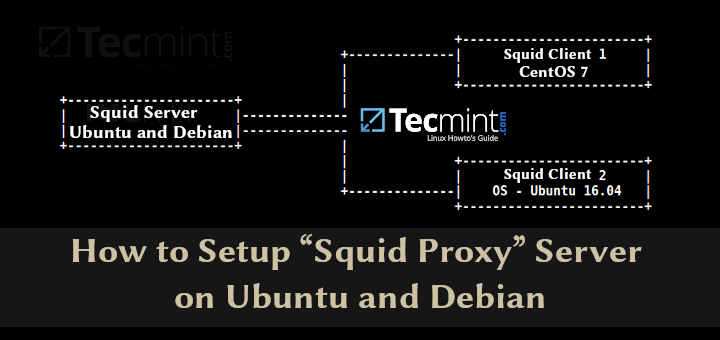
Squid is a most popular caching and forwarding HTTP web proxy server used my wide range of companies to cache
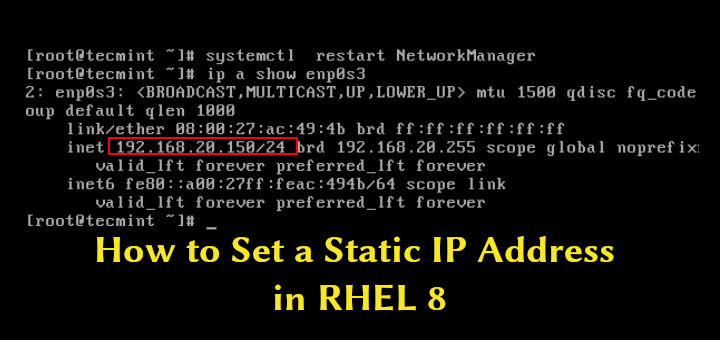
Configuring a static IP address for your Linux distribution is a fundamental task and should be completed in few easy
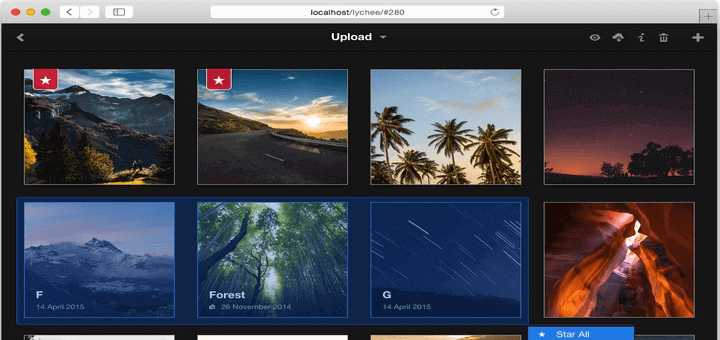
Lychee is a free, open-source, elegant and easy-to-use photo-management system, which comes with all the necessary features you need for
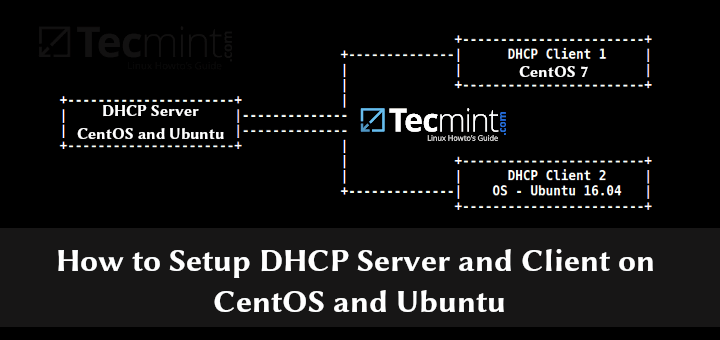
DHCP (short for Dynamic Host Configuration Protocol) is a client/server protocol that enables a server to automatically assign an IP
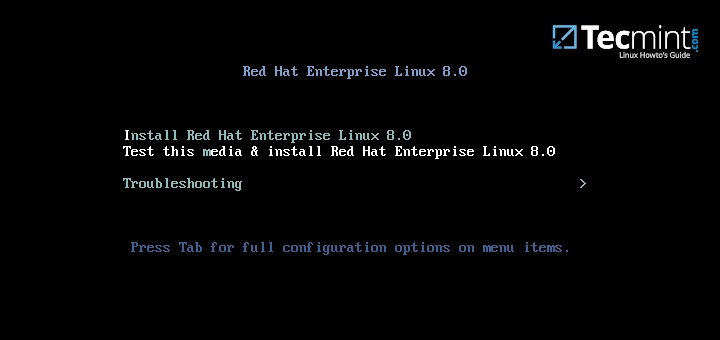
Red Hat Enterprise Linux 8 version has been released and comes with GNOME 3.28 as the default desktop environment and
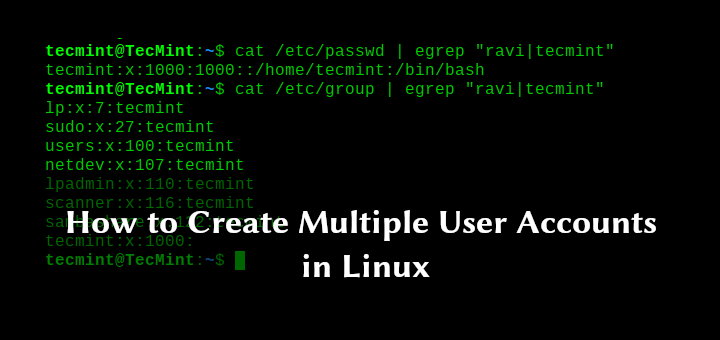
The two utilities for adding or creating user accounts in Unix/Linux systems are adduser and useradd. These commands are designed
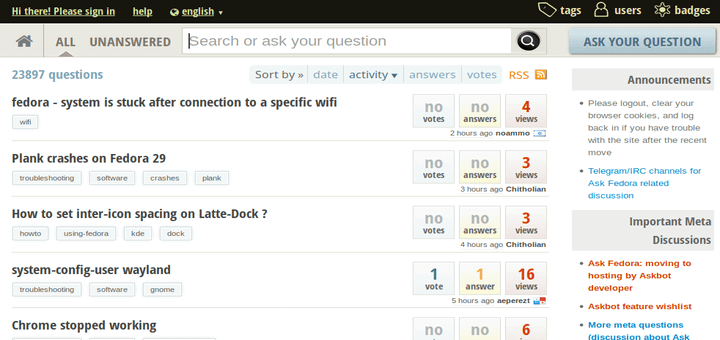
Askbot is an open source, simple yet powerful, fast and highly-customizable software for creating a question and answer (Q&A) forum.
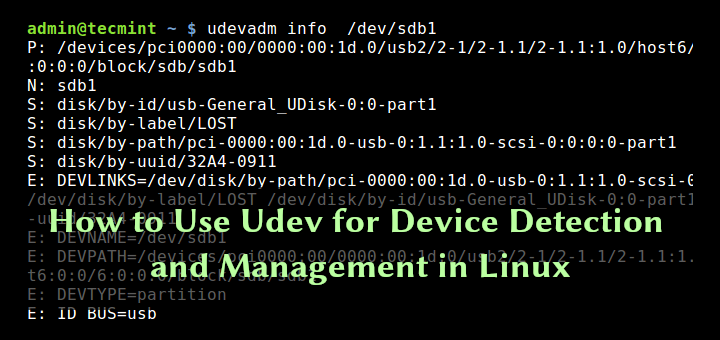
Udev (userspace /dev) is a Linux sub-system for dynamic device detection and management, since kernel version 2.6. It’s a replacement