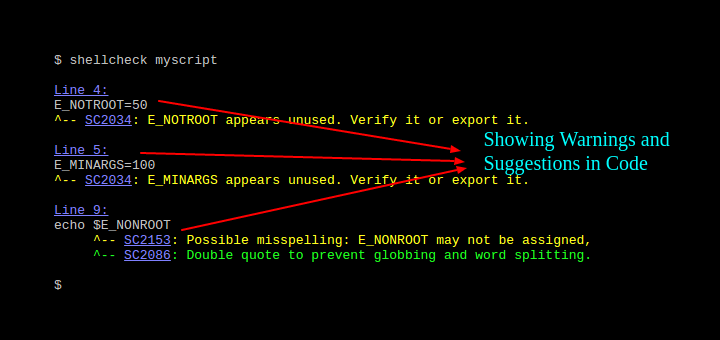
ShellCheck – A Tool That Shows Warnings and Suggestions for Shell Scripts
ShellCheck is a static analysis tool that shows warnings and suggestions concerning bad code in bash/sh shell scripts. It can

Hi, I’m Ravi Saive, a passionate Linux enthusiast with over 16+ years of experience. I have written more than 3000+ articles on Linux, sharing my knowledge and expertise with the community.
Welcome to my blog! I share easy-to-follow articles on Linux, SysAdmin, Cloud, and DevOps. With over 250+ million visitors, Tecmint has helped many people grow their Linux careers.
Join me in exploring the world of open-source and unlock the power of Linux by subscribing to our weekly newsletter or checking out our Pro Courses for deeper learning!

ShellCheck is a static analysis tool that shows warnings and suggestions concerning bad code in bash/sh shell scripts. It can
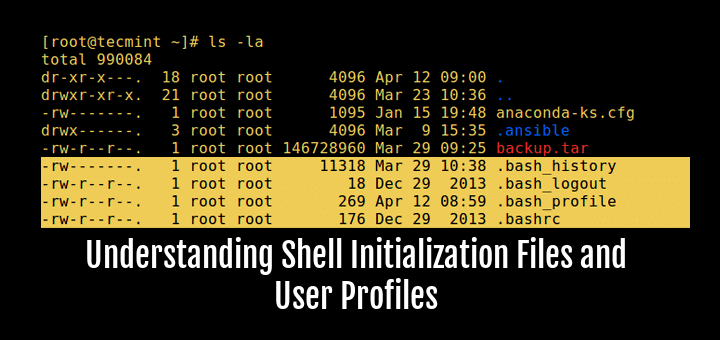
Linux is a multi-user, time sharing system, implying that more than one user can log in and use a system.
Ubuntu 17.04 released, codenamed “Zesty Zapus”; bringing yet another version of a remarkable operating system in the Ubuntu ecosystem, with
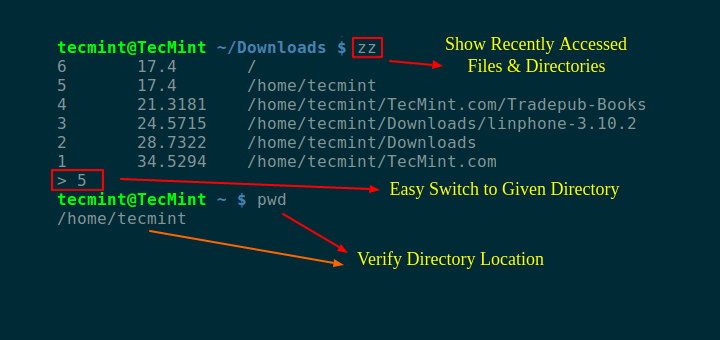
Fasd (pronounced as “fast“) is command-line productivity booster, a self-contained POSIX shell script which enables quick and more efficient access

While working with Linux systems, there are several areas where you’ll need to use a text editor including programming/scripting, editing
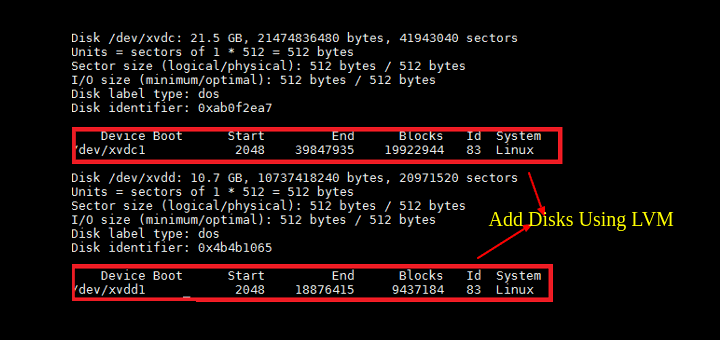
LVM (Logical Volume Management) is a flexible and advanced option available to manage hard disks in most of the major
Cybersecurity (also referred to as Computer Security) is a set of technologies, processes, and practices designed to safeguard computers systems,
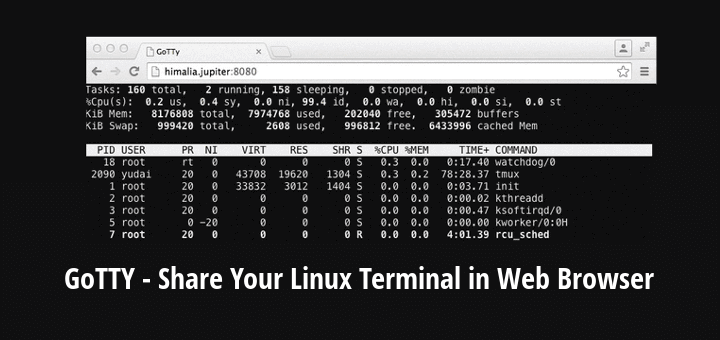
GoTTY is a simple GoLang based command line tool that enables you to share your terminal(TTY) as a web application.
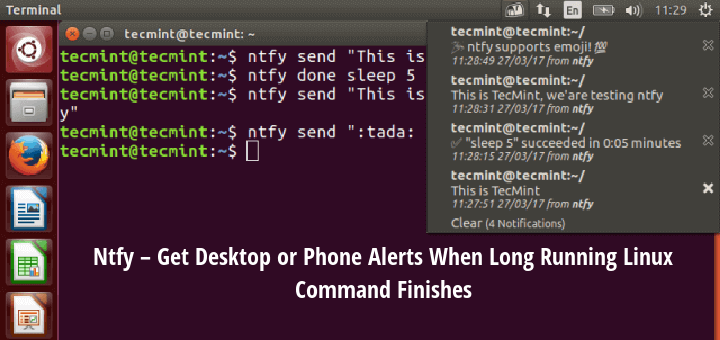
Ntfy is a simple yet serviceable cross-platform Python utility that enables you to automatically get desktop notifications on demand or
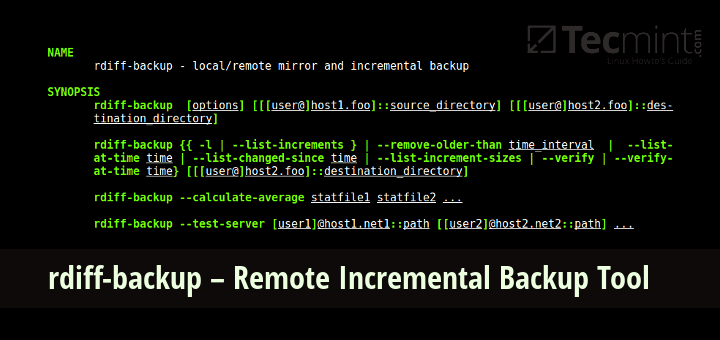
rdiff-backup is a powerful and easy-to-use Python script for local/remote incremental backup, which works on any POSIX operating system such
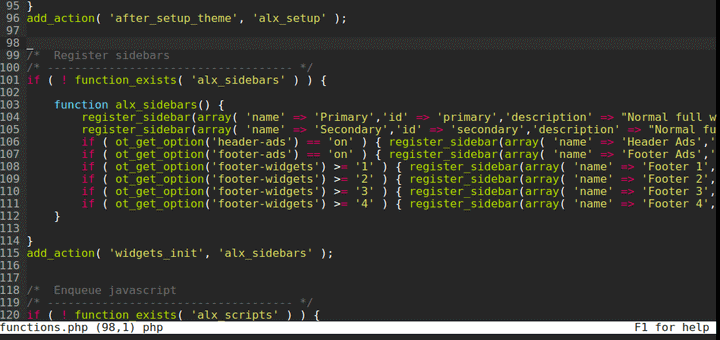
Micro is a modern, easy-to-use and intuitive cross-platform terminal-based text editor that works on Linux, Windows and MacOS. It is
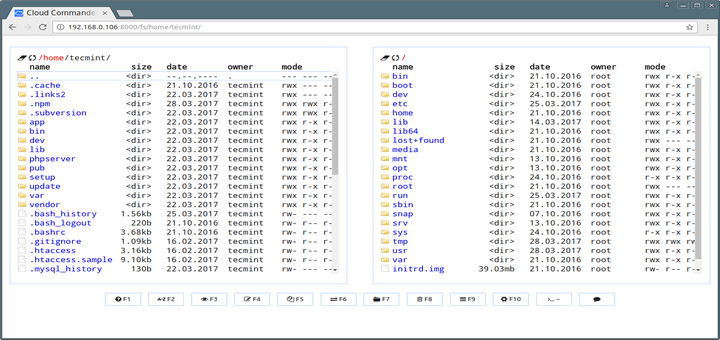
Cloud Commander (cloudcmd) is a simple open source, traditional yet useful cross-platform web file manager with console and editor support.