How to Control Kernel Boot-Time Parameters in Linux
Linux booting is a complex process compared to other operating systems. The Linux Kernel accepts many parameters during boot, passed

Hi, I’m Ravi Saive, a passionate Linux enthusiast with over 16+ years of experience. I have written more than 3000+ articles on Linux, sharing my knowledge and expertise with the community.
Welcome to my blog! I share easy-to-follow articles on Linux, SysAdmin, Cloud, and DevOps. With over 250+ million visitors, Tecmint has helped many people grow their Linux careers.
Join me in exploring the world of open-source and unlock the power of Linux by subscribing to our weekly newsletter or checking out our Pro Courses for deeper learning!

Linux booting is a complex process compared to other operating systems. The Linux Kernel accepts many parameters during boot, passed

Android software development involves creating applications for devices running the Android operating system, primarily using Kotlin and Java, with some
Want to play Windows games on your Linux system but not sure where to begin? Heard that some Linux distros

Google Cloud Platform is a suite of cloud computing services that shares its running environment with the same infrastructure that

Every now and then, we check Udemy out for the most rated courses in different niches to compile a collection

Python is often considered to be one of the most powerful, adaptable, and easy-to-learn high-level programming languages for developing websites,

We are living in the midst of a revolution powered by computers and among the most important aspects of computer
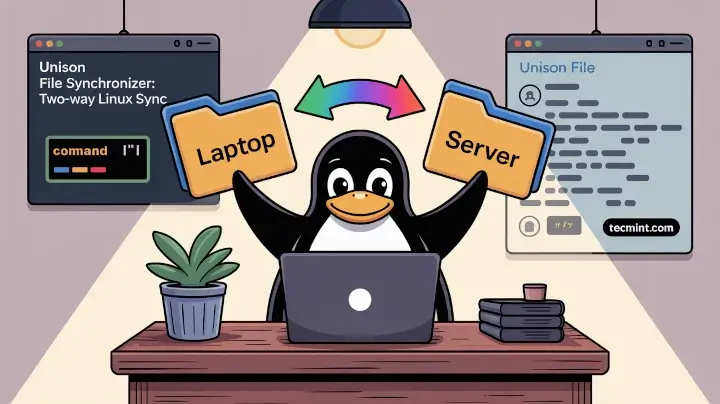
Keeping files in sync across multiple machines is a common task for Linux users. You might use both a laptop
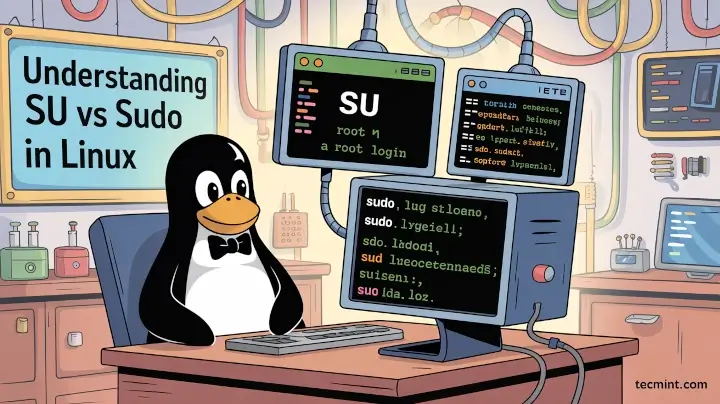
Linux is generally more secure than many other operating systems. A key part of this security comes from user management
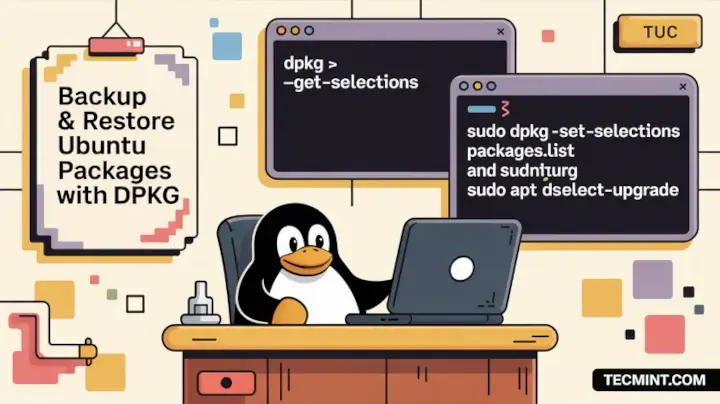
If you’ve ever reinstalled Ubuntu, you know the pain of setting everything up again, such as finding apps, adding PPAs,

If you’ve ever managed a hosting server, you know that cPanel & WHM is one of the most popular control
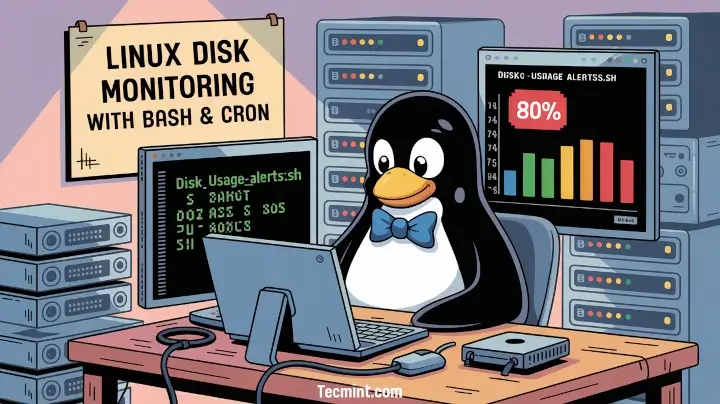
If you’ve ever run a Linux system in production or even just kept a personal server, you’ll know that running