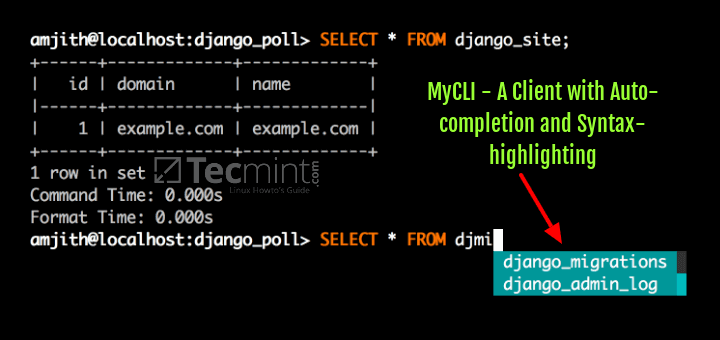
MyCLI – A MySQL/MariaDB Client with Auto-completion and Syntax-highlighting
MyCLI is an easy-to-use command line (CLI) interface for the popular database management systems: MySQL, MariaDB, and Percona with auto-completion

 Aaron Kili
MyCLI is an easy-to-use command line (CLI) interface for the popular database management systems: MySQL, MariaDB, and Percona with auto-completion
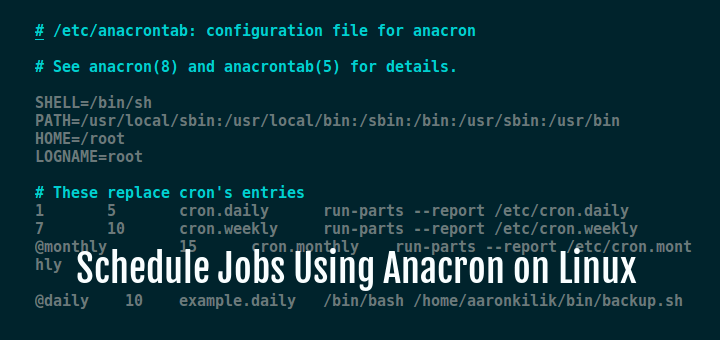
In this article, we will explain cron and anacron and also shows you how to setup anacron on Linux. We
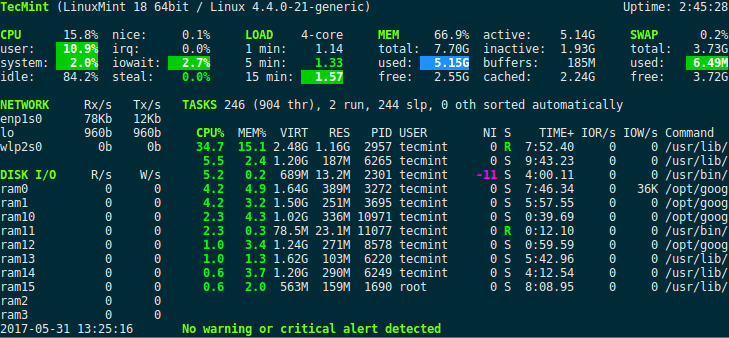
In this article, we will explain one of the critical Linux system administration tasks – performance monitoring in regards to
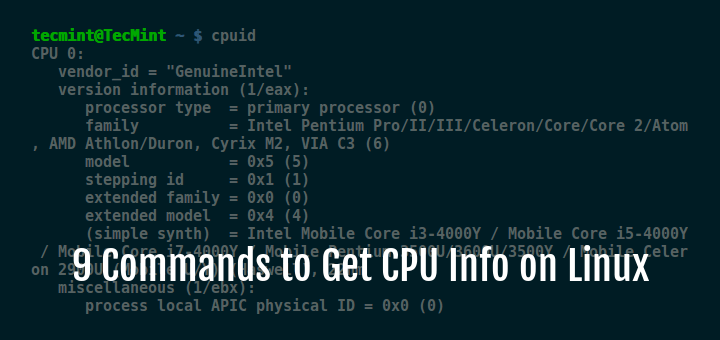
In a previous article, we put together a list of 10 useful commands to collect system and hardware information in
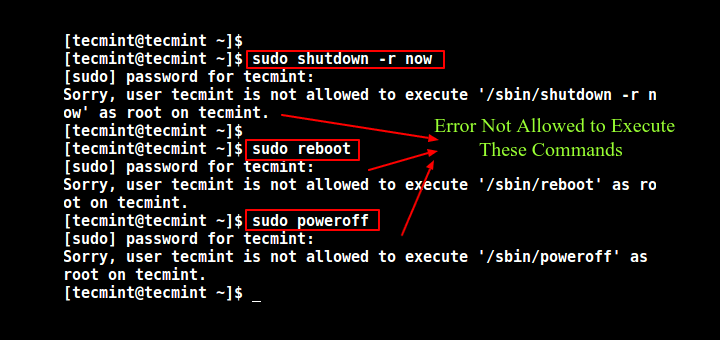
The shutdown command schedules a time for a Linux system to be powered down, it may as well be used
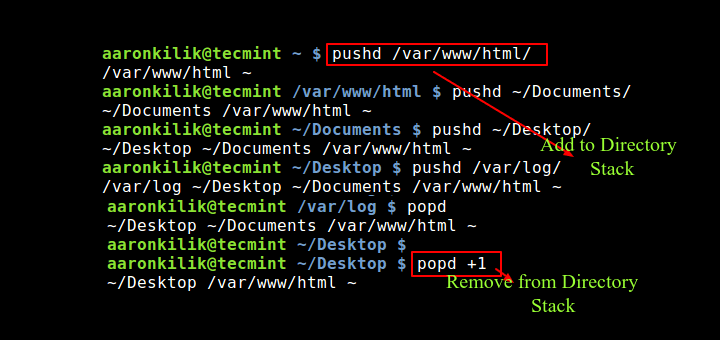
Sometimes it can be painful to navigate the Linux file system with commands, especially for the newbies. Normally, we primarily
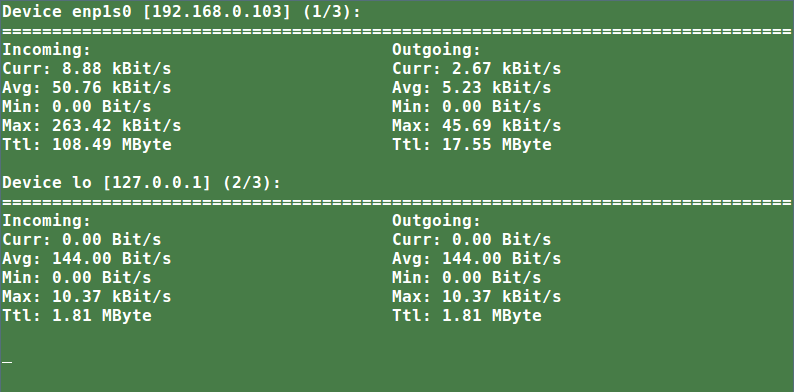
nload is a command-line tool to keep an eye on network traffic and bandwidth usage in real time. It helps
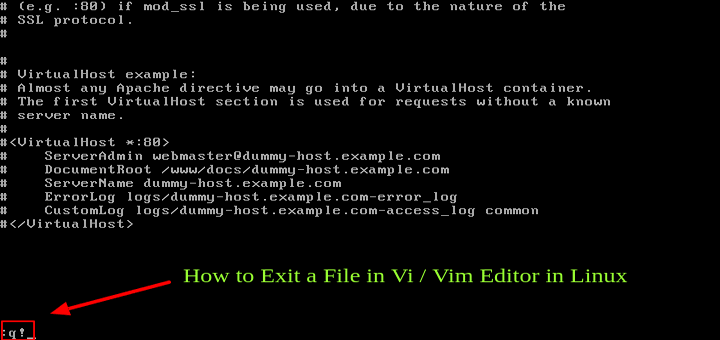
In this article, we will learn how to exit Vi/Vim (after referred to as Vim) text editor using simple commands.
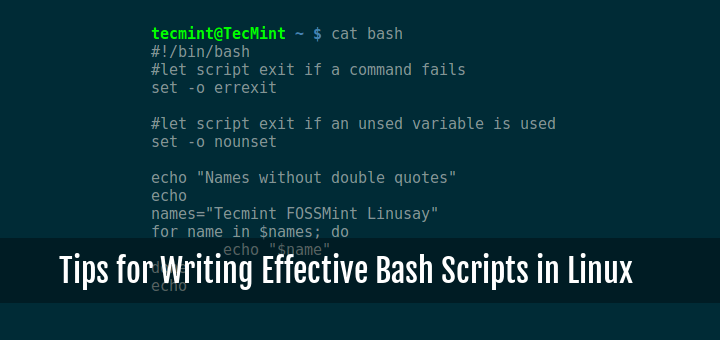
Shell scripting is the easiest form of programming you can learn/do in Linux. More so, it is a required skill
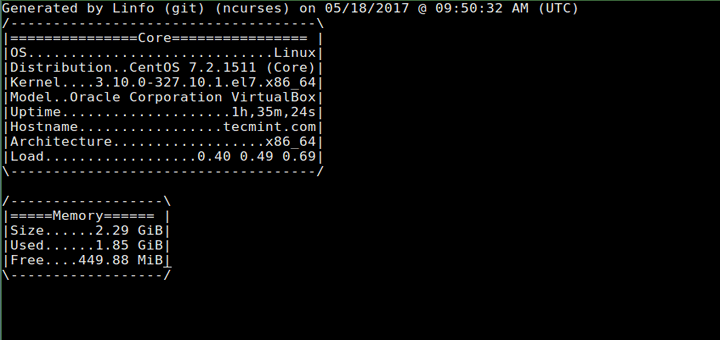
Linfo is a free and open source, cross-platform server statistics UI/library which displays a great deal of system information. It
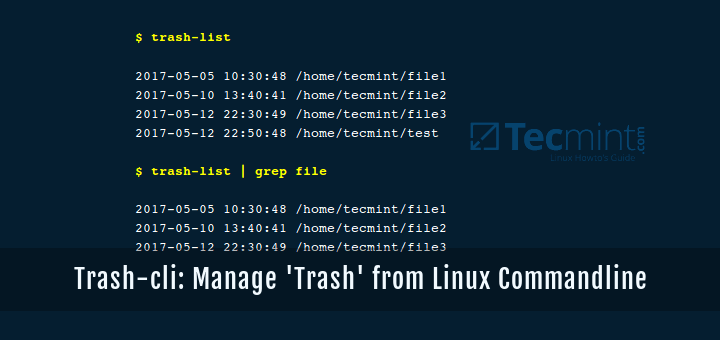
Trash-cli is a command line interface that trashes files and records the original absolute path, deletion date, and associated permissions.
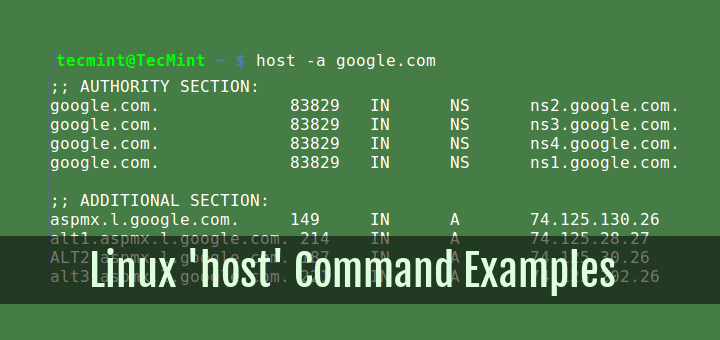
Host command is a minimal and easy-to-use CLI utility for performing DNS lookups which translate domain names to IP addresses