
10 Useful Chaining Operators in Linux with Practical Examples
Chaining of Linux commands means, combining several commands and making them execute based upon the behavior of the operator used

Linux Commands for Linux Beginners
Chaining of Linux commands means, combining several commands and making them execute based upon the behavior of the operator used
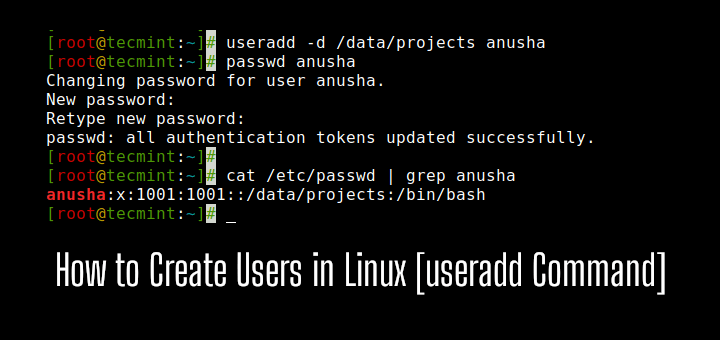
We are all aware of the most popular commands called ‘useradd‘ or ‘adduser‘ in Linux. There are times when a
The Linux “tar” stands for tape archive, which is used by a large number of Linux/Unix system administrators to deal

In our last article, we covered various examples of the ‘sort‘ command. If you missed it, you can catch up
The ‘sort’ command is a Linux program used for printing lines of input text files and concatenation of all files
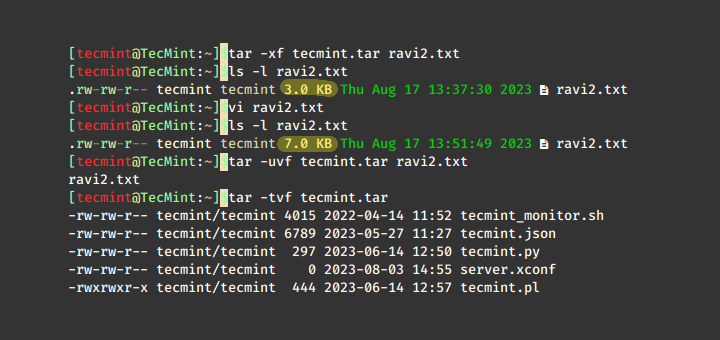
In the realm of file archiving and compression, the tar command stands as a versatile tool for creating, managing, and
The Linux ‘du‘ (Disk Usage) is a standard Unix/Linux command used to check the disk usage information of files and
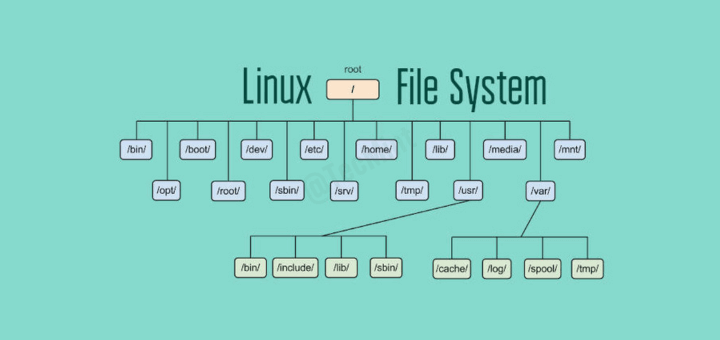
The Linux filesystem is a hierarchical file structure that defines how files are stored and accessed on a Linux operating
HTTP clients are utility software that enables you to download files over the Internet. Apart from being able to download
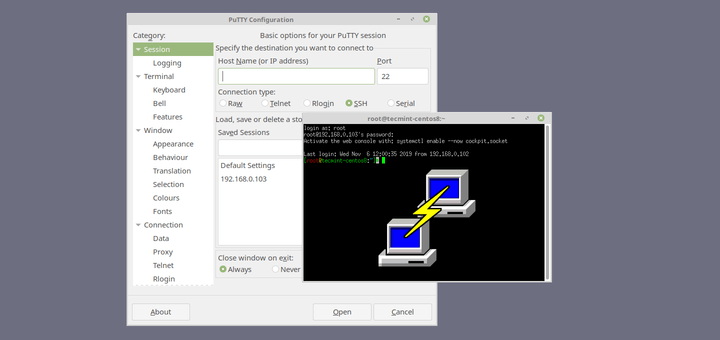
PuTTY is a free and open-source cross-platform SSH and telnet client that even after being around for over 20 years
In our previous article, we have seen 20 Netstat Commands (netstat now replaced by ss command) to monitor or manage
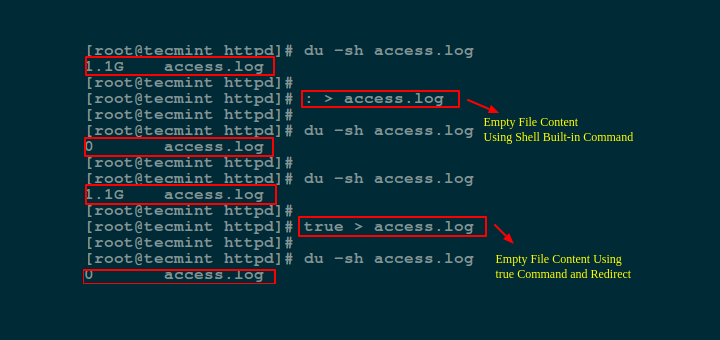
Occasionally, while dealing with files in a Linux terminal, you may want to clear the content of a file without