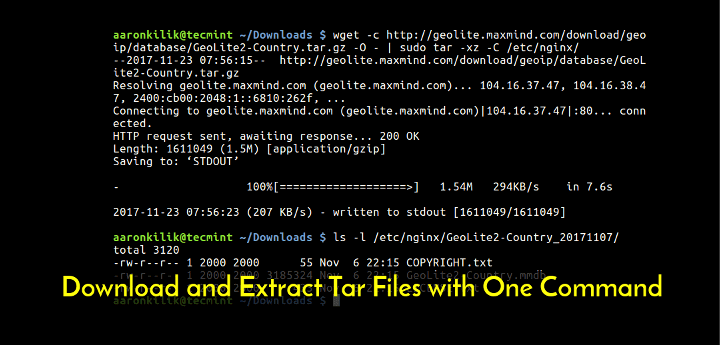
How to Download and Extract Tar Files with One Command
Tar (Tape Archive) is a popular file archiving format in Linux. It can be used together with gzip (tar.gz) or

Linux Commands for Linux Beginners
Tar (Tape Archive) is a popular file archiving format in Linux. It can be used together with gzip (tar.gz) or
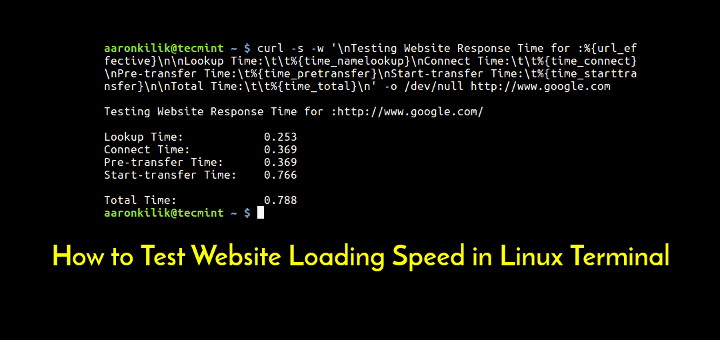
A website response time can have a great impact on user experience, and if you are a web developer, or
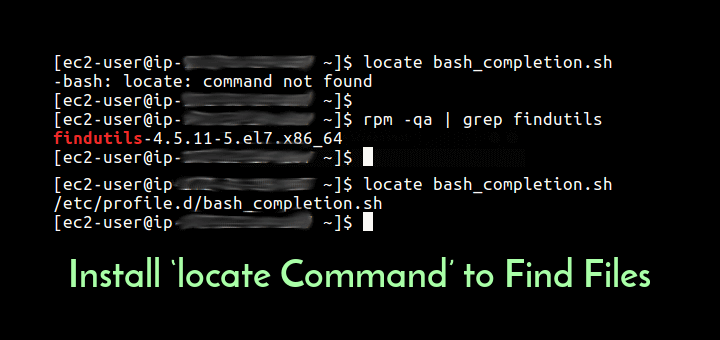
The locate is a command line utility for finding files by name in Linux, just like find command. However, it
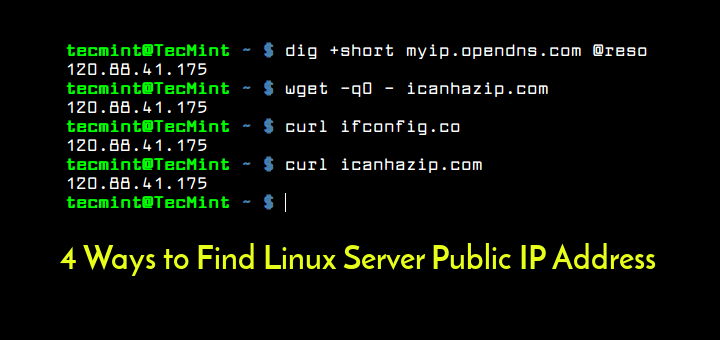
In computer networking, an IP (Internet Protocol) address is a numerical identifier assigned permanently or temporarily to every device connected

sudo is a powerful command line tool that enables a “permitted user” to run a command as another user (the
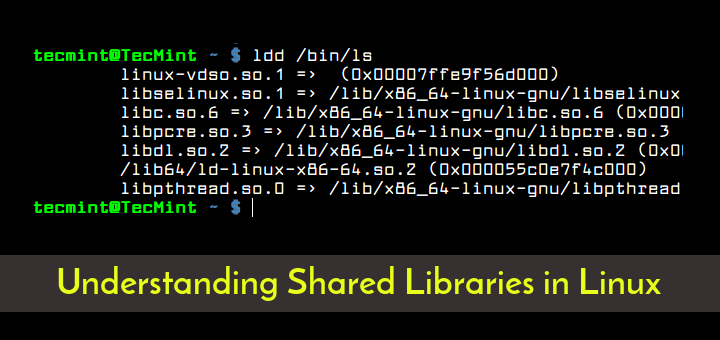
In programming, a library is an assortment of pre-compiled pieces of code that can be reused in a program. Libraries
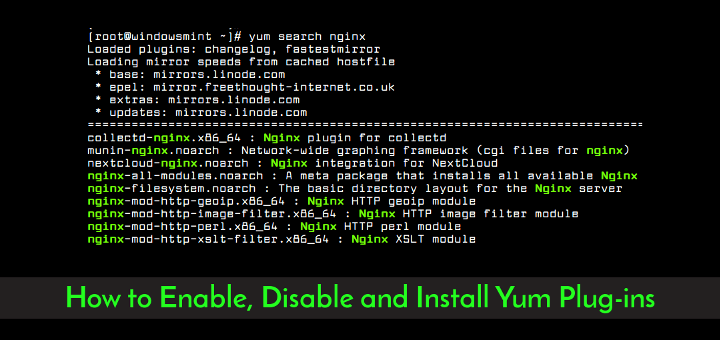
YUM plug-ins are small programs that extend and improve the overall performance of the package manager. A few of them
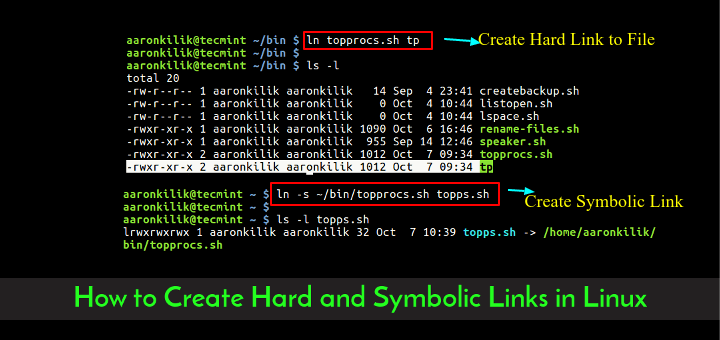
In Unix-like operating systems such as Linux, “everything is a file” and a file is fundamentally a link to an
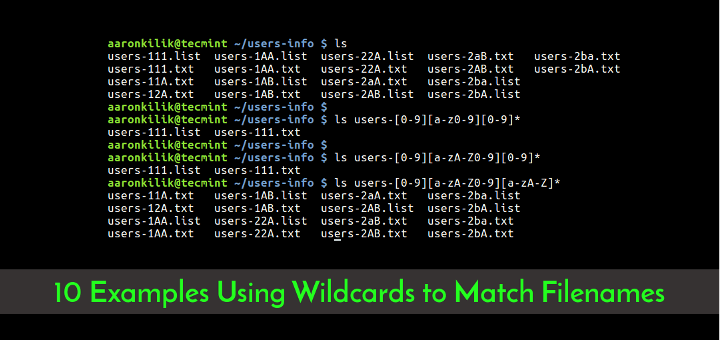
Wildcards (also referred to as meta characters) are symbols or special characters that represent other characters. You can use them
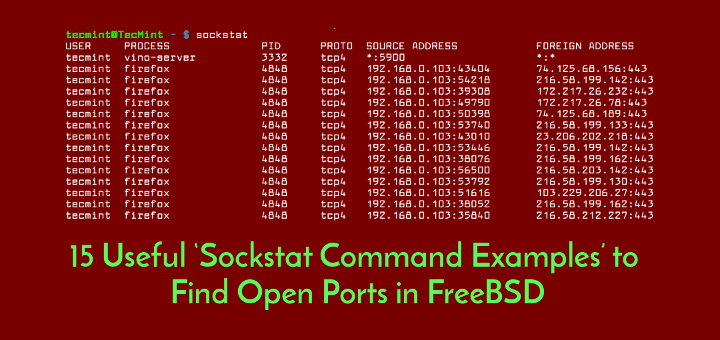
Sockstat is a versatile command line utility used for displaying network and system opened sockets in FreeBSD. Mainly, sockstat command
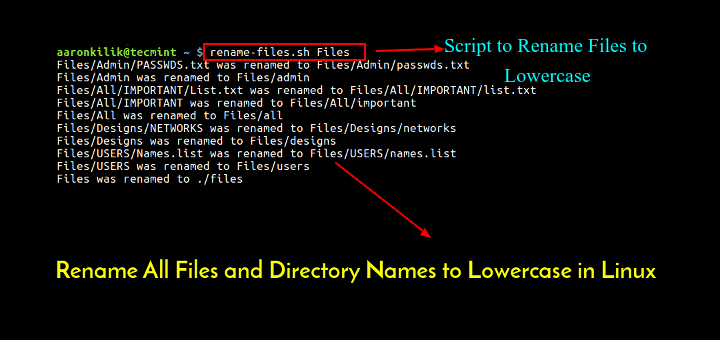
In our previous article, we have described how to count the number of files and subdirectories inside a given directory.
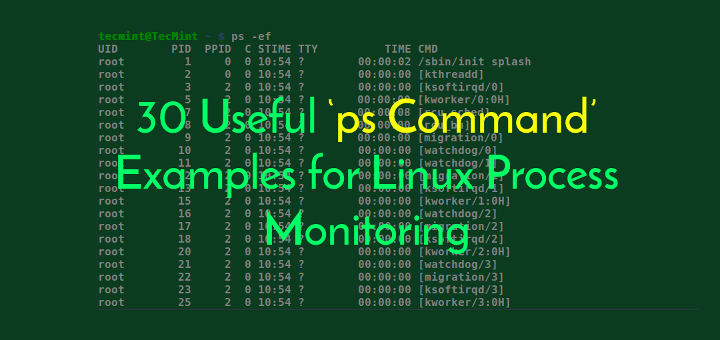
ps (processes status) is a native Unix/Linux utility for viewing information concerning a selection of running processes on a system: