Skip to content
⏳ Offer Ends Soon: Get 17 Linux courses, 4 certification courses, 7 eBooks and all future releases for life, just $99 → [Join Now]
Tecmint: Linux Howtos, Tutorials & Guides
  • Latest Tutorials
  • Commands
    • A – Z Linux Commands
    • 100+ Linux Commands
  • Tools
  • Distros
    • Linux Distros for Beginners
    • Linux Distros for Experts
    • New Linux Distros
    • Linux Server Distros
    • Secure Linux Distros
    • CentOS Alternatives
    • RedHat Distributions
    • Debian Distributions
    • Ubuntu Distributions
    • Arch Linux Distros
    • Rolling Linux Distros
    • KDE Linux Distros
    • Linux Distros for Old PC
    • Linux Distros for Kids
    • Linux Distributions for Students
    • Linux Distros for Windows
  • Courses
    • Bash Scripting
    • Learn Linux
    • AI for Linux
    • RHCSA Certification
    • RHCE Certification
    • LFCS Certification
  • eBooks
    • RHCSA Exam
    • RHCE Exam
    • LFCS Exam
    • LFCE Exam
    • LFCA Exam
    • Ansible Exam
  • About
  • Advertise

SSH

How to Access a Remote Server Using a SSH Jump Host

A jump host (also known as a jump server) is an intermediary host or an SSH gateway to a remote

Remove Passphrase in Linux

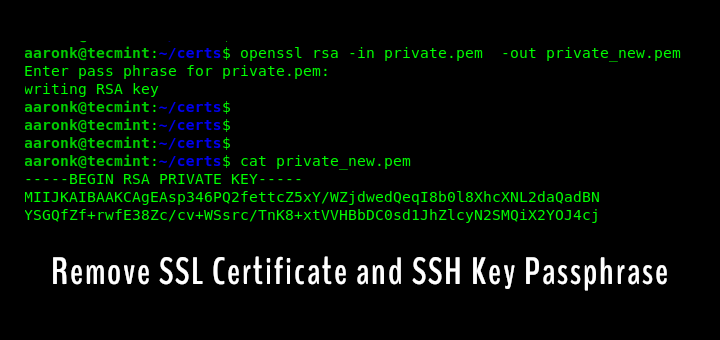
How To Remove SSL Certificate and SSH Key Passphrase in Linux

Brief: Have you created a certificate key or private key with a passphrase and wish to remove it? In this

Basic SSH Command Examples

Basic SSH Command Usage and Configuration in Linux

Brief: In this guide, we will discuss the common use cases of SSH. We will also discuss commonly used SSH
Enable SSH Debug Logging

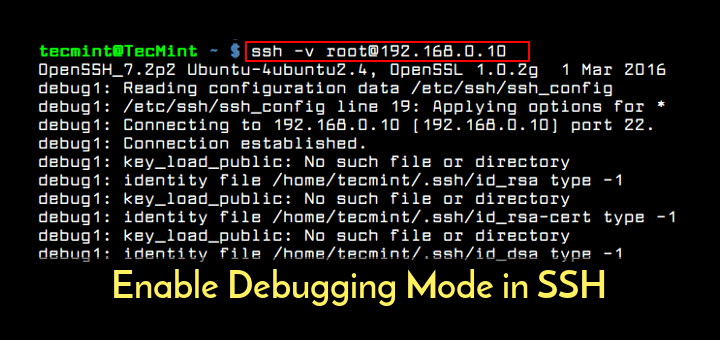
Enable Debugging Mode in SSH to Troubleshoot Connectivity Issues

In this article, we will show you how to turn on debugging mode while running SSH in Linux. This will
Prevent SSH Brute-Force Login Attacks in Linux

5 Best Practices to Prevent SSH Brute-Force Login Attacks in Linux

Servers running SSH are usually a soft target for brute-force attacks. Hackers are constantly coming up with innovative software tools
SSH Banner Warning Message

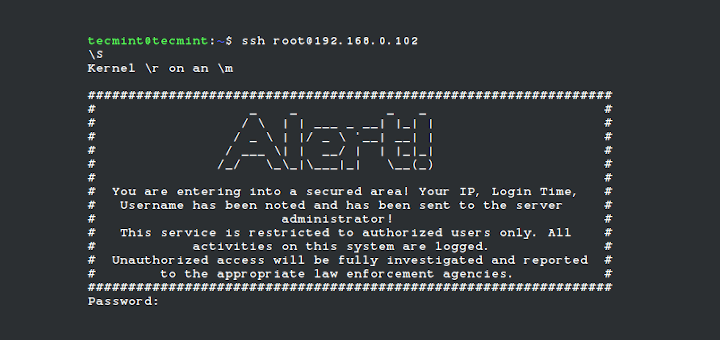
How to Show Security Warning Message to SSH Unauthorized Users

SSH banner warnings are crucial when companies or organizations want to show a strict warning message to discourage unauthorized users
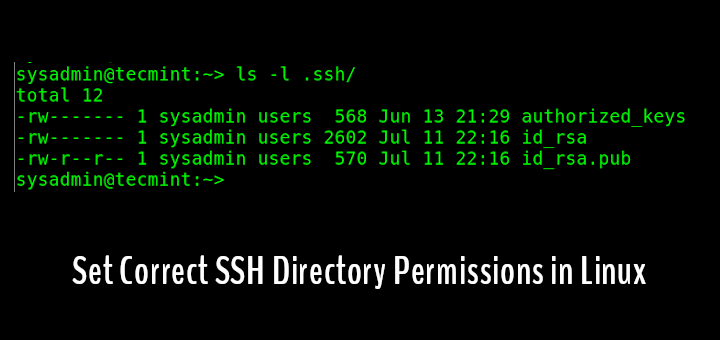
Set Correct SSH Directory Permissions in Linux

How To Set Correct SSH Directory Permissions in Linux

For SSH to work well, it requires correct permissions on the ~/.ssh or /home/username/.ssh directory: the default location for all
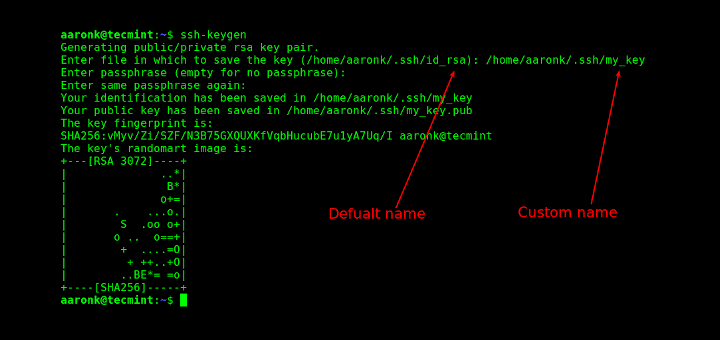
openSUSE SSH Passwordless Login

How to Configure SSH Passwordless Login on openSUSE 15.3

One of the well-known and generally accepted OpenSSH best security practices is to configure and use public key authentication a.k.a

Block SSH Brute Force in Linux

How to Block SSH Brute Force Attacks Using SSHGUARD

SSHGuard is an open-source daemon that shields hosts from brute-force attacks. It accomplishes this through monitoring and aggregation of system

Set SSH Warning Banner in Linux

How to Set a Custom SSH Warning Banner and MOTD in Linux

SSH banner warnings are necessary when companies or organizations want to display a stern warning to discourage unauthorized parties from
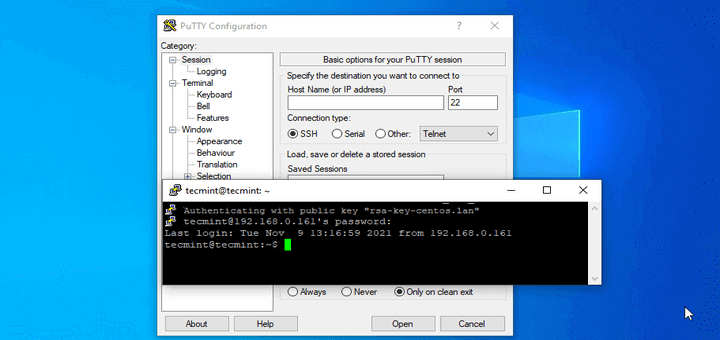
Putty SSH Passwordless Linux Login

Configure “No Password SSH Keys Authentication” with PuTTY on Linux Servers

SSH (Secure SHELL) is one of the most used network protocols to connect and login to remote Linux servers, due
SSH Server Security Practices

5 Best OpenSSH Server Best Security Practices

SSH (Secure Shell) is an open-source network protocol that is used to connect local or remote Linux servers to transfer

Older posts
Newer posts
← Previous Page1 Page2 Page3 Page4 Page5 Next →

Get Two Free Linux Courses

Join 34,000+ readers learning Linux with practical TecMint tutorials every week.

Free newsletter + free member access.
Prefer TecMint on Google
See more TecMint results in Google Search.
Preferred source Add TecMint →
Popular Pro Courses Structured Linux learning from TecMint.
01 SSH Complete Course → 02 Linux for DevOps Engineers → 03 100+ Essential Linux Commands → 04 RHCSA Certification Course → 05 Claude Code for Sysadmins → 06 Learn Linux in 7 Days → See all 18 courses→
Tecmint: Linux Howtos, Tutorials & Guides © 2026. All Rights Reserved.

The material in this site cannot be republished either online or offline, without our permission.

Hosting Sponsored by : Linode Cloud Hosting