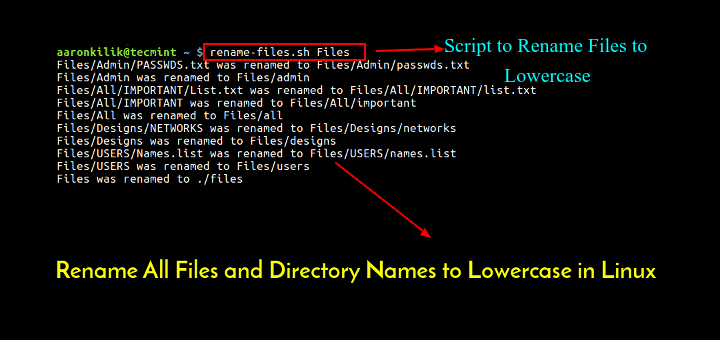
Rename All Files and Directory Names to Lowercase in Linux
In our previous article, we have described how to count the number of files and subdirectories inside a given directory.

In our previous article, we have described how to count the number of files and subdirectories inside a given directory.
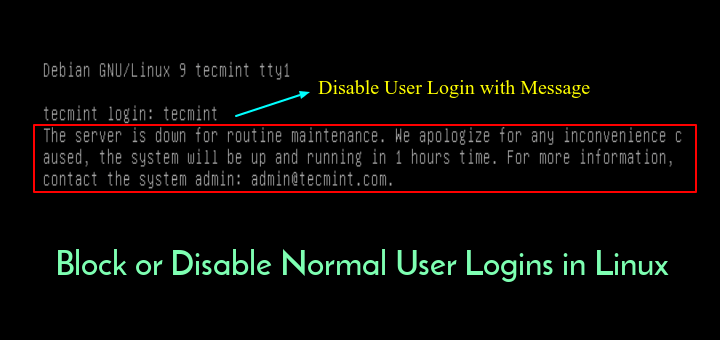
As a system administrator, you will inevitably perform scheduled system maintenances at some point or another. A few times, your
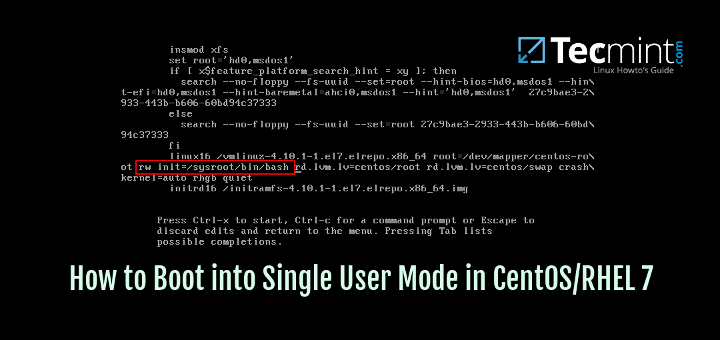
Single User Mode (sometimes known as Maintenance Mode) is a mode in Unix-like operating systems such as Linux operate, where
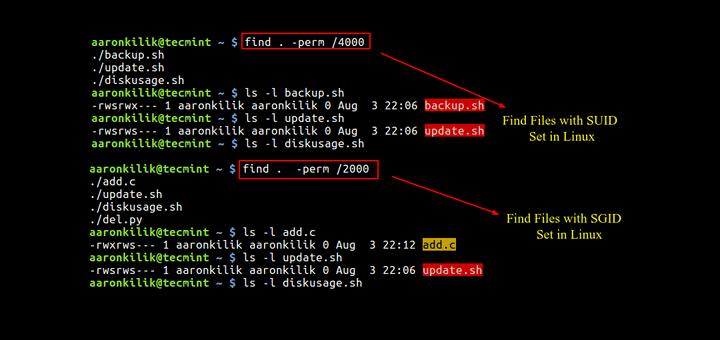
In this tutorial, we will explain auxiliary file permissions, commonly referred to as “special permissions” in Linux, and also we
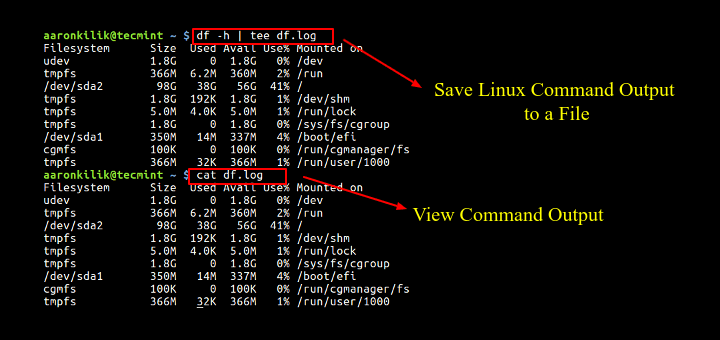
There are many things you can do with the output of a command in Linux. You can assign the output
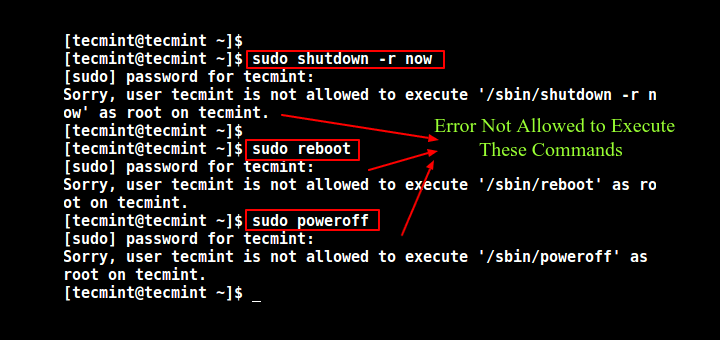
The shutdown command schedules a time for a Linux system to be powered down, it may as well be used
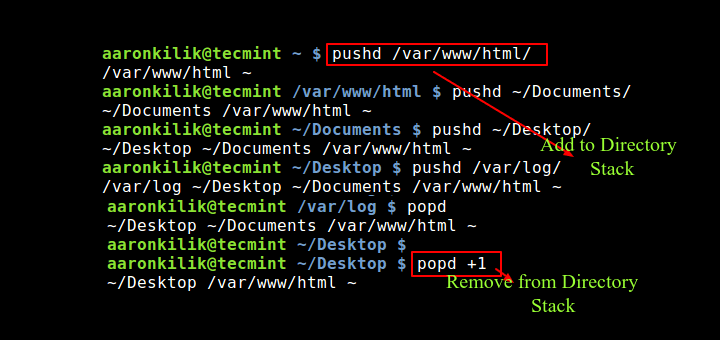
Sometimes it can be painful to navigate the Linux file system with commands, especially for the newbies. Normally, we primarily
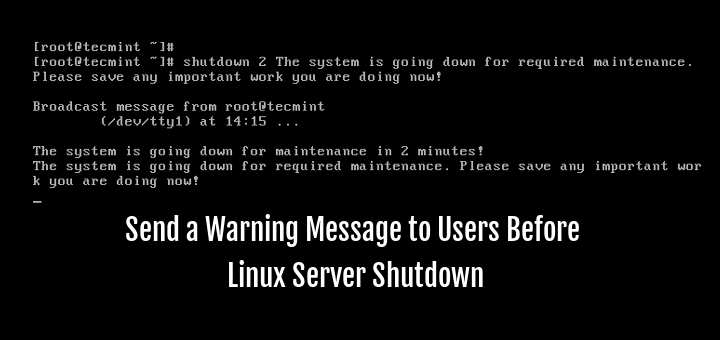
In a previous article, we explained the difference between shutdown, poweroff, halt and reboot Linux commands, where we uncovered what
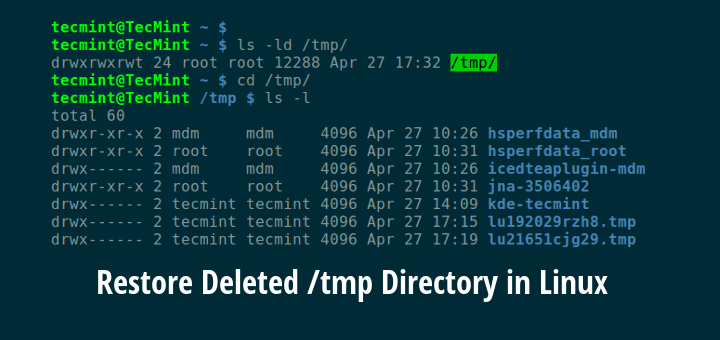
The /tmp directory contains mostly files that are required temporarily, it is used by different programs to create lock files
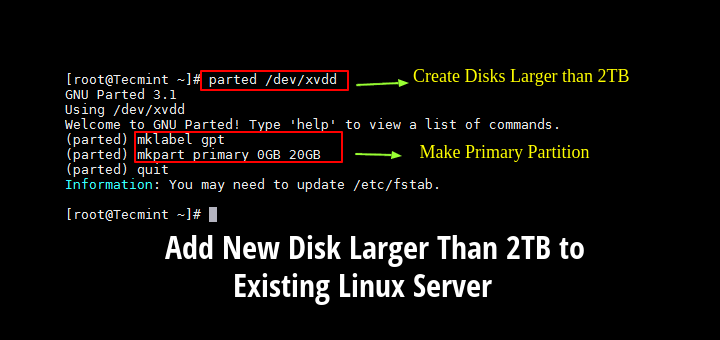
Have you ever tried to do the partitioning of hard disk larger than 2TB using fdisk utility and wondered why
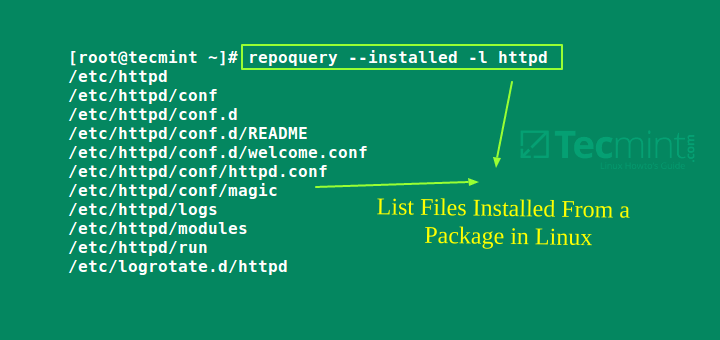
Have you ever wondered where the various files contained inside a package are installed (located) in the Linux file system?
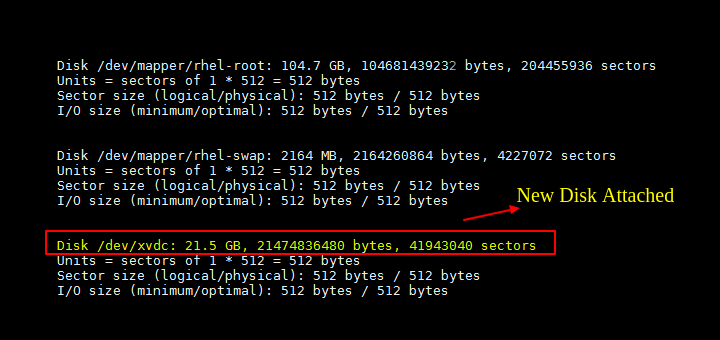
As system administrators, we would have got requirements wherein we need to configure raw hard disks to the existing servers