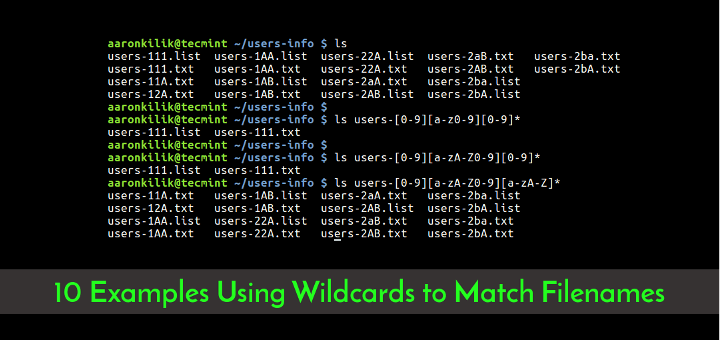
10 Practical Examples Using Wildcards to Match Filenames in Linux
Wildcards (also referred to as meta characters) are symbols or special characters that represent other characters. You can use them

 Aaron Kili
Wildcards (also referred to as meta characters) are symbols or special characters that represent other characters. You can use them
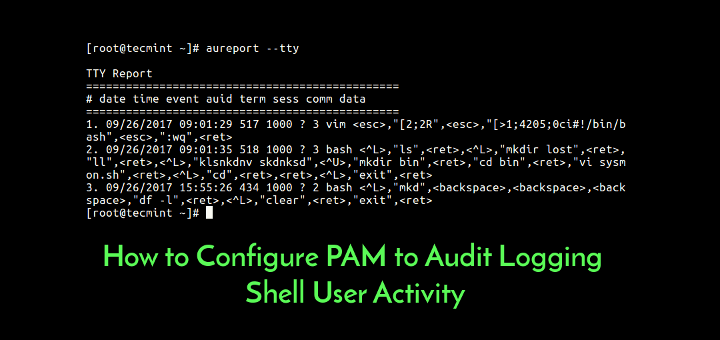
This is our ongoing series on Linux Auditing, in this fourth part of this article, we will explain how to
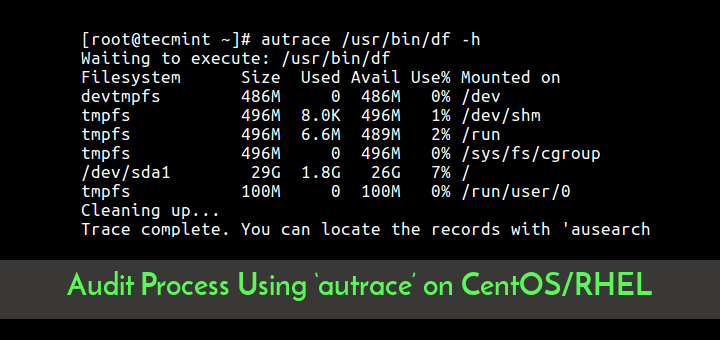
This article is our ongoing series on Linux Auditing, in our last three articles we have explained how to audit
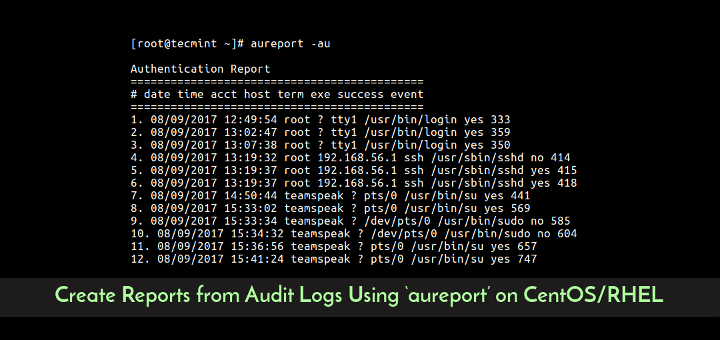
This article is our ongoing series on Linux Auditing, in our last two articles we have explained how to install

Systemd (system daemon) is a modern system management daemon for Linux systems. Systemd is a replacement for init system manager;
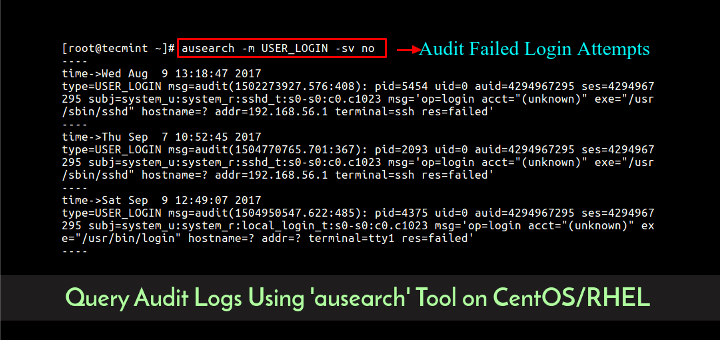
In our last article, we have explained how to audit RHEL or CentOS system using auditd utility. The audit system
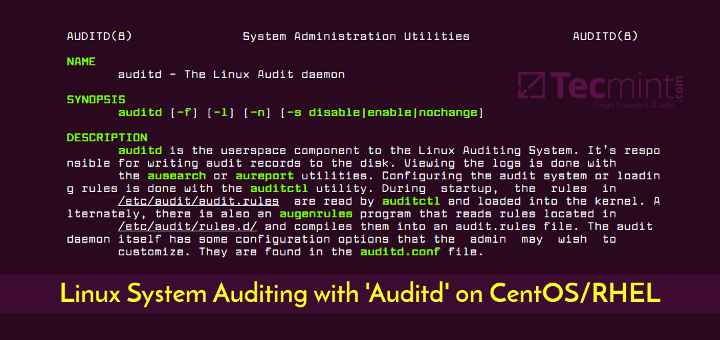
System auditing simply refers to in-depth analysis of a specific targeted system: an audit is made up of an examination
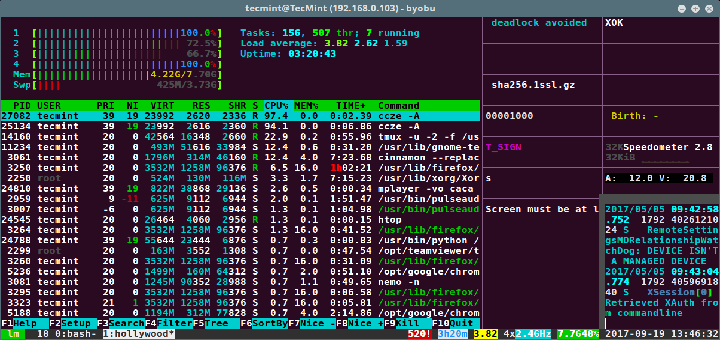
In Hollywood movies, hacking always seems interesting, especially because the whole action is spiced up with fancy desktop environments/backgrounds, rapidly
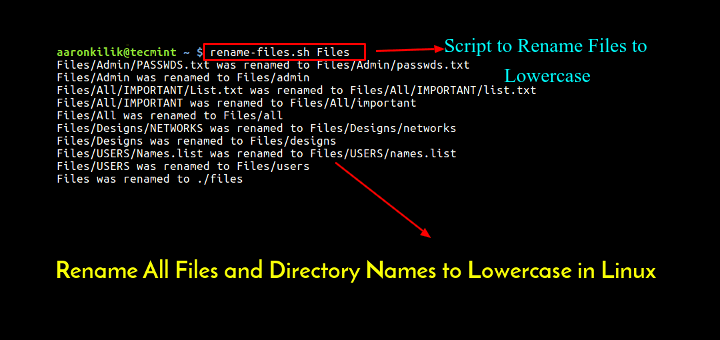
In our previous article, we have described how to count the number of files and subdirectories inside a given directory.
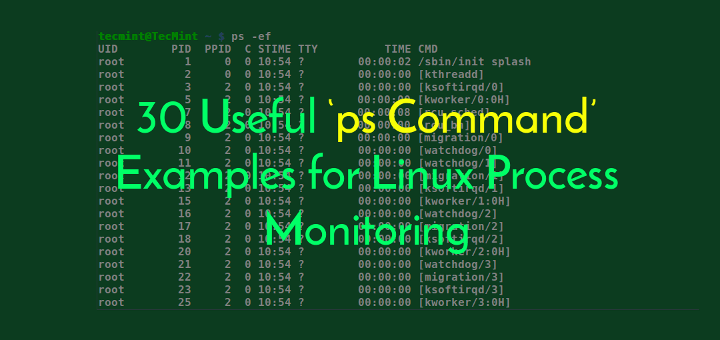
ps (processes status) is a native Unix/Linux utility for viewing information concerning a selection of running processes on a system:
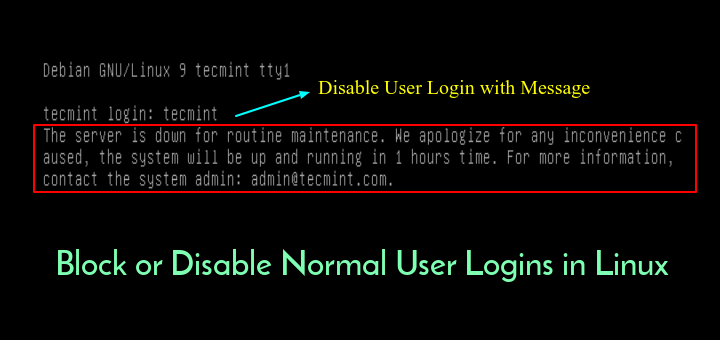
As a system administrator, you will inevitably perform scheduled system maintenances at some point or another. A few times, your
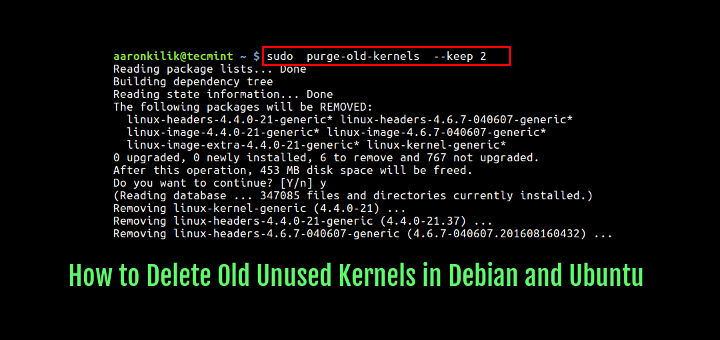
In our last article, we’ve explained how to delete old unused kernels in CentOS/RHEL/Fedora. In this article, we will explain