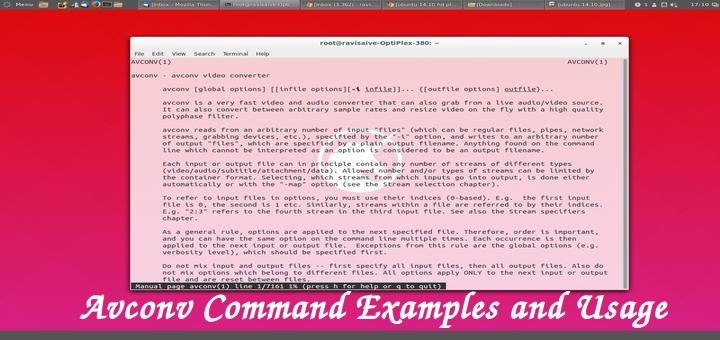
11 ‘Avconv’ Commands to Record, Convert and Extract Videos & Audios from Linux Terminal
In the previous article, we talked about How to Record Desktop Video & Audio Using ‘Avconv’ Tool. We mentioned that

Hi, I’m Ravi Saive, a passionate Linux enthusiast with over 16+ years of experience. I have written more than 3000+ articles on Linux, sharing my knowledge and expertise with the community.
Welcome to my blog! I share easy-to-follow articles on Linux, SysAdmin, Cloud, and DevOps. With over 250+ million visitors, Tecmint has helped many people grow their Linux careers.
Join me in exploring the world of open-source and unlock the power of Linux by subscribing to our weekly newsletter or checking out our Pro Courses for deeper learning!

In the previous article, we talked about How to Record Desktop Video & Audio Using ‘Avconv’ Tool. We mentioned that
Note: The Linux Foundation Certified Engineer (LFCE) exam was officially retired on May 1, 2022. If you are preparing for

If you are in search of a solution to stream your downloaded movie content to an Apple TV on your
For those working with Linux command Line, command ‘pwd‘ is very helpful, which tells where you are – in which
Note: The Linux Foundation Certified Engineer (LFCE) exam was officially retired on May 1, 2022. If you are preparing for
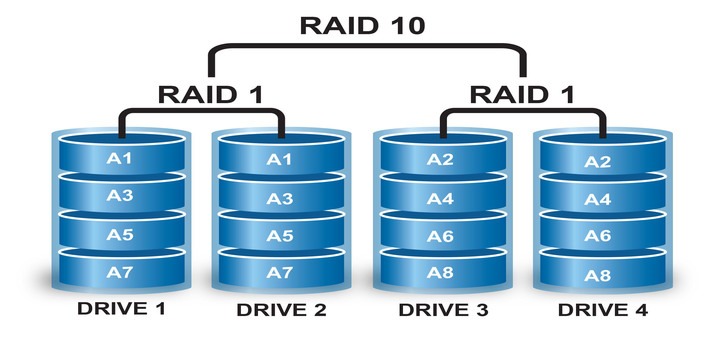
RAID 10 is a combine of RAID 0 and RAID 1 to form a RAID 10. To setup Raid 10,
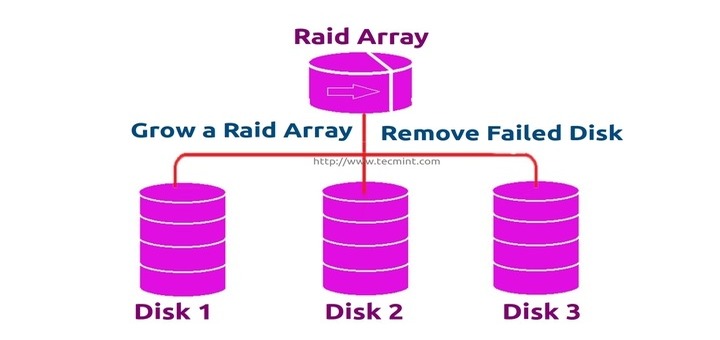
Every newbies will get confuse of the word array. Array is just a collection of disks. In other words, we
Note: The Linux Foundation Certified Engineer (LFCE) exam was officially retired on May 1, 2022. If you are preparing for
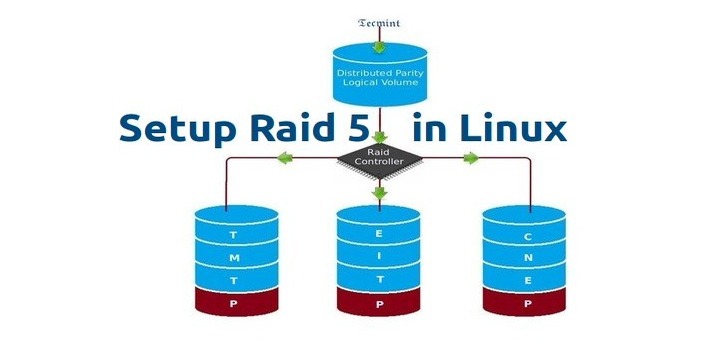
In RAID 5, data strips across multiple drives with distributed parity. The striping with distributed parity means it will split
In Unix/Linux distributions, the command ‘usermod‘ is used to modify or change any attributes of a already created user account
Continuing the series regarding installing Windows 7 over RHEL/CentOS 7 PXE Network Boot, where in the first part I have
Note: This article is based on an older version of the LFCS. Please refer to the updated Linux Foundation Certified