LFCS #6: How to Assemble Partitions as RAID Devices and Create System Backups
Note: This article is based on an older version of the LFCS. Please refer to the updated Linux Foundation Certified

Note: This article is based on an older version of the LFCS. Please refer to the updated Linux Foundation Certified
Regardless of your previous experience with RAID arrays, and whether you followed all of the tutorials in this RAID series

In the previous articles of this RAID series you went from zero to RAID hero. We reviewed several software RAID
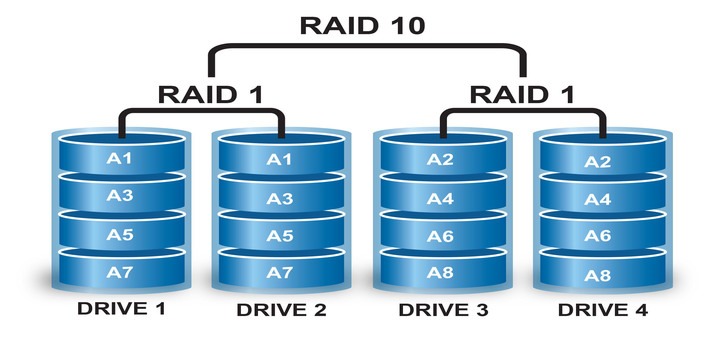
RAID 10 is a combine of RAID 0 and RAID 1 to form a RAID 10. To setup Raid 10,
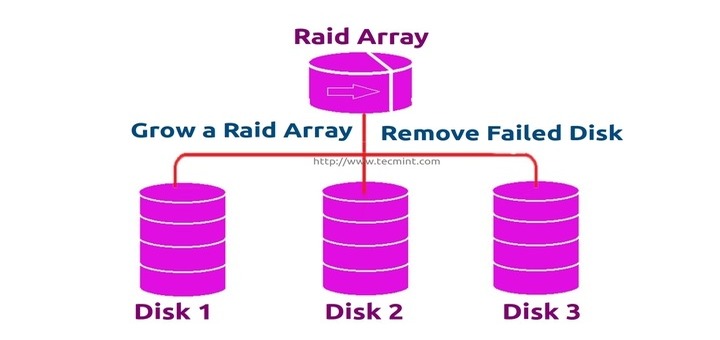
Every newbies will get confuse of the word array. Array is just a collection of disks. In other words, we
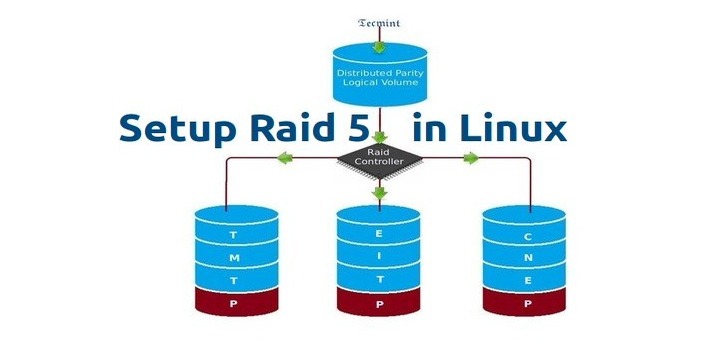
In RAID 5, data strips across multiple drives with distributed parity. The striping with distributed parity means it will split
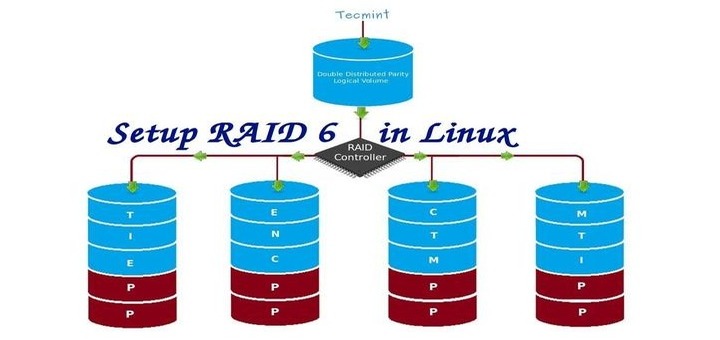
RAID 6 is upgraded version of RAID 5, where it has two distributed parity which provides fault tolerance even after
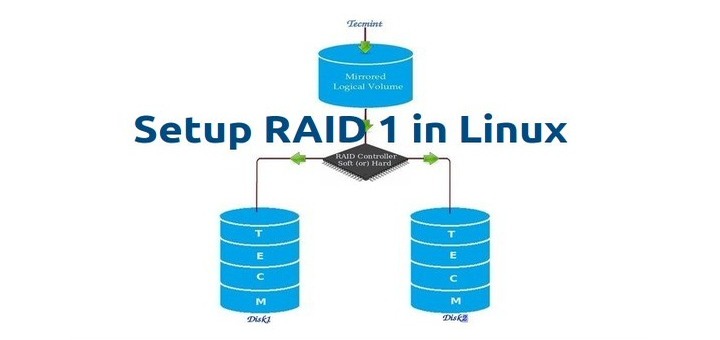
RAID Mirroring means an exact clone (or mirror) of the same data writing to two drives. A minimum two number
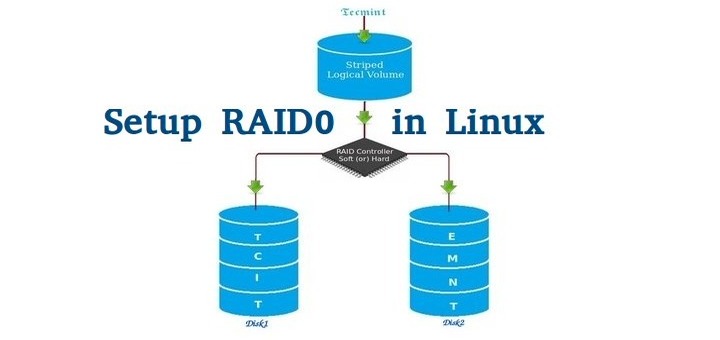
RAID is Redundant Array of Inexpensive disks, used for high availability and reliability in large scale environments, where data need
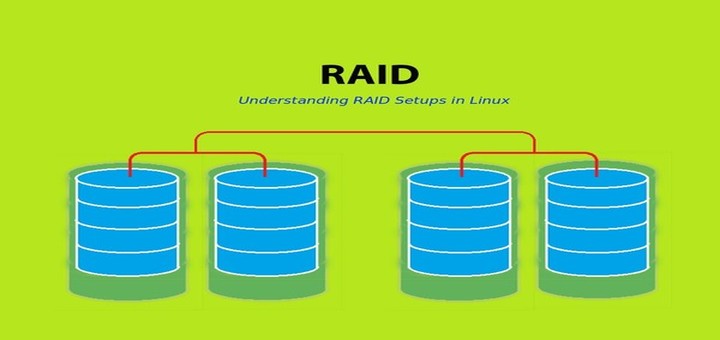
RAID is a Redundant Array of Inexpensive disks, but nowadays it is called Redundant Array of Independent drives. Earlier it

When you build a server according to your plan and requirements, you want it to run quickly and efficiently, right?

So, you’ve just installed Ubuntu 25.04 “Plucky Puffin” on your computer—congrats! I recently did the same, and let me tell