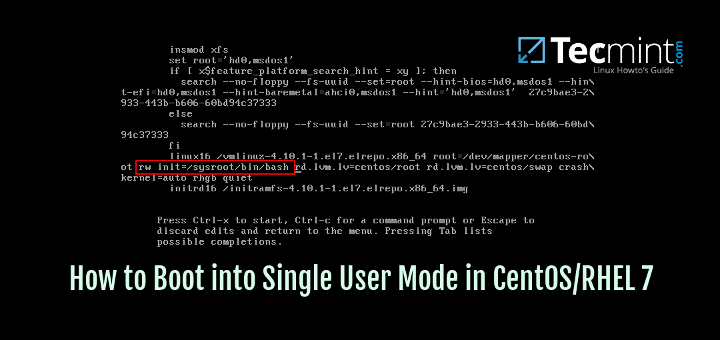
How to Boot into Single User Mode in CentOS/RHEL 7
Single User Mode (sometimes known as Maintenance Mode) is a mode in Unix-like operating systems such as Linux operate, where

Hi, I’m Ravi Saive, a passionate Linux enthusiast with over 16+ years of experience. I have written more than 3000+ articles on Linux, sharing my knowledge and expertise with the community.
Welcome to my blog! I share easy-to-follow articles on Linux, SysAdmin, Cloud, and DevOps. With over 250+ million visitors, Tecmint has helped many people grow their Linux careers.
Join me in exploring the world of open-source and unlock the power of Linux by subscribing to our weekly newsletter or checking out our Pro Courses for deeper learning!

Single User Mode (sometimes known as Maintenance Mode) is a mode in Unix-like operating systems such as Linux operate, where
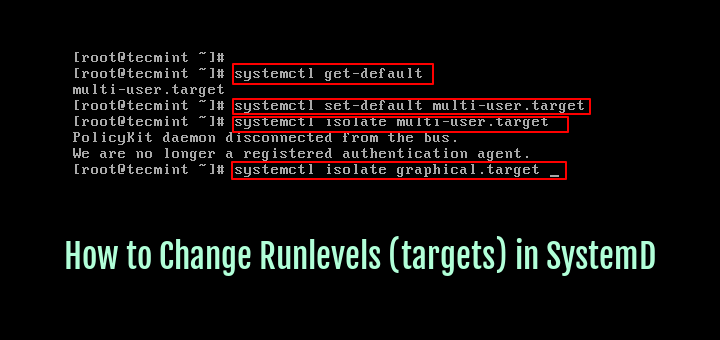
Systemd is a modern init system for Linux: a system and service manager which is compatible with the popular SysV
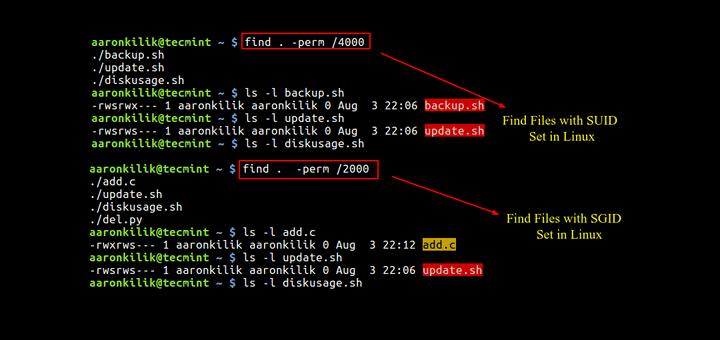
In this tutorial, we will explain auxiliary file permissions, commonly referred to as “special permissions” in Linux, and also we
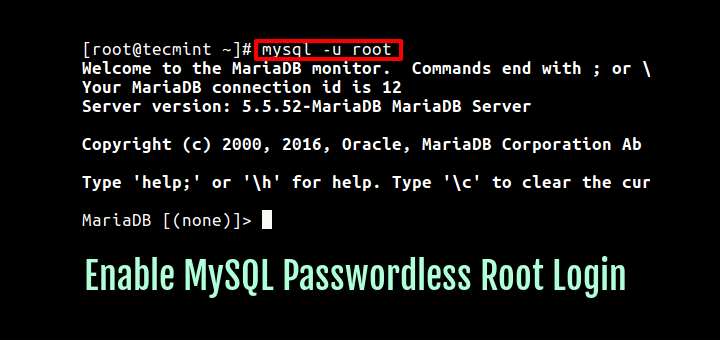
Normally while installing MySQL/MariaDB database server on Linux, it’s recommended to set a MySQL root user password to secure it,

The current version of PHP in the CentOS 6 official repositories is PHP 5.3, which has reached its end of

Cron is a powerful utility for time-based scheduling of jobs in Unix-like operating systems including Linux. It runs as a
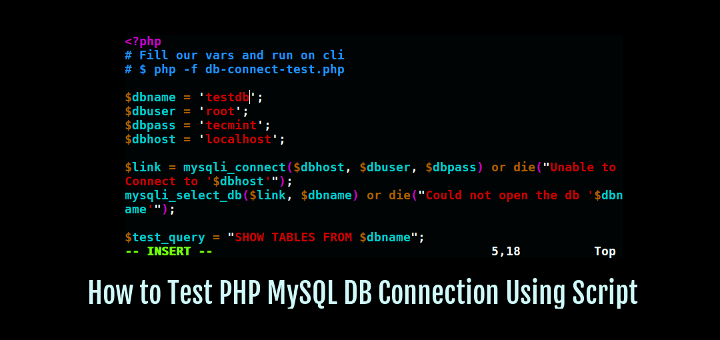
MySQL is a popular database management system while PHP is a server-side scripting language suitable for web development; together with

HTTP (Hyper Text Transfer Protocol) is a popular as well as the fundamental protocol for data communication on the World
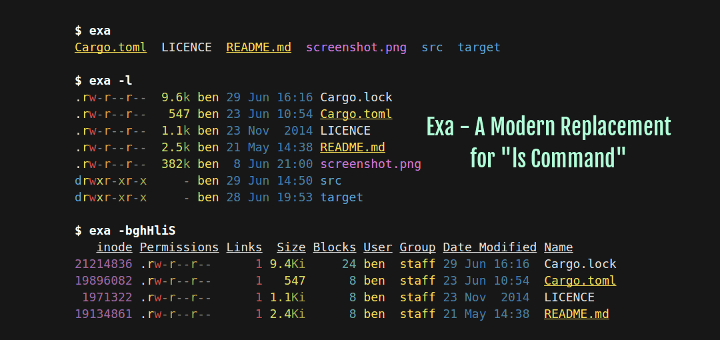
Exa is a lightweight, fast and modern replacement for the popular ls command on Unix-like operating systems. It is written

Ghost is a free, open source and lightweight platform intended for blogging or online publications. It is written in Nodejs

Redis is an open-source, high-performance and flexible in-memory data structure store (key-value format) – used as a database, cache and
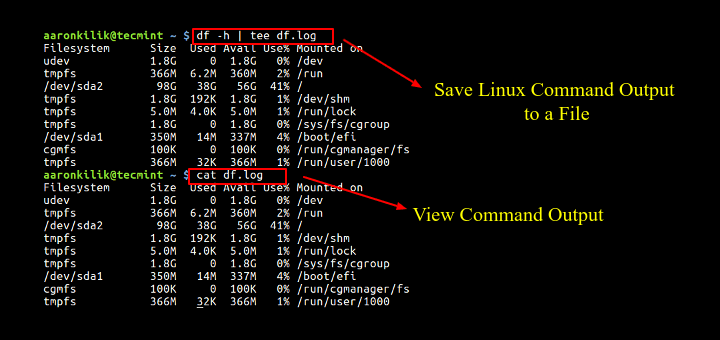
There are many things you can do with the output of a command in Linux. You can assign the output