
How to Install PostgreSQL Database in Debian 10
PostgreSQL (sometimes referred to as Postgres) is the most advanced open-source general-purpose and object-relational database system with a proven architecture

Hi, I’m Ravi Saive, a passionate Linux enthusiast with over 16+ years of experience. I have written more than 3000+ articles on Linux, sharing my knowledge and expertise with the community.
Welcome to my blog! I share easy-to-follow articles on Linux, SysAdmin, Cloud, and DevOps. With over 250+ million visitors, Tecmint has helped many people grow their Linux careers.
Join me in exploring the world of open-source and unlock the power of Linux by subscribing to our weekly newsletter or checking out our Pro Courses for deeper learning!

PostgreSQL (sometimes referred to as Postgres) is the most advanced open-source general-purpose and object-relational database system with a proven architecture

A well-known means to improve the efficiency of modern computer applications is by enabling caching. Caching simply means keeping active
The sudo command gives a technique for providing trusted users with administrative permission to a Linux system without sharing the
Netcat (or nc in short) is a simple yet powerful networking command-line tool used for performing any operation in Linux
MariaDB is an open-source and popular relational database management system (RDBMS) made by the original developers of MySQL. It is
In Linux and other Unix-like systems, the root account has the highest access rights on the system. It is used

A “LEMP” stack is a mixture of open-source software that is typically installed on a Linux server to deploy dynamic

You’ve finally made the bold decision to make a switch from Windows 10 to CentOS 7, which is a cool

A “LAMP” stack is a collection of open-source software that is generally installed together to allow a system to deploy

Have you ever fancied a portable instance of a CentOS 7 installation in your USB pen drive? You probably might
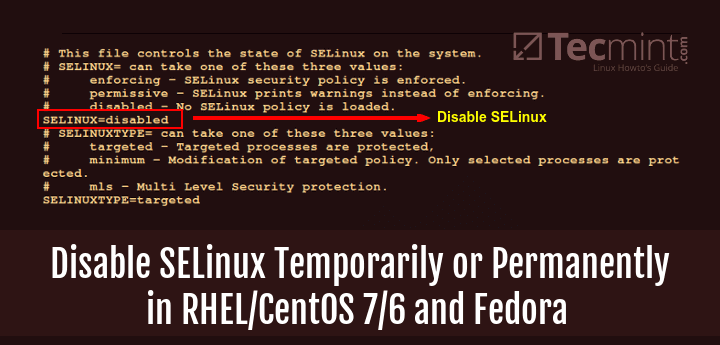
Linux is regarded as one of the most secure operating systems you can use today, that is because of its
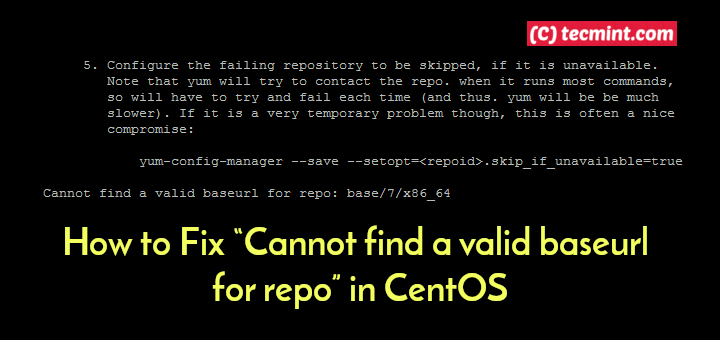
One of the commonest errors CentOS users encounter when using the YUM package manager (for example running the yum update