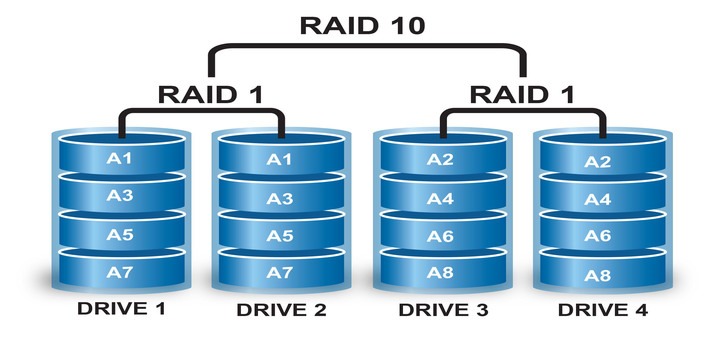
Setting Up RAID 10 or 1+0 (Nested) in Linux – Part 6
RAID 10 is a combine of RAID 0 and RAID 1 to form a RAID 10. To setup Raid 10,

RAID 10 is a combine of RAID 0 and RAID 1 to form a RAID 10. To setup Raid 10,
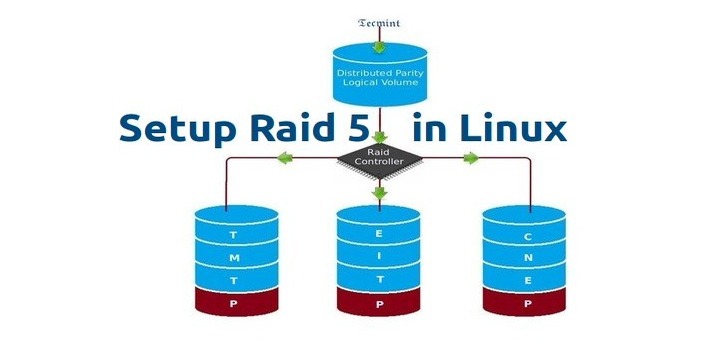
In RAID 5, data strips across multiple drives with distributed parity. The striping with distributed parity means it will split
Note: This article is based on an older version of the LFCS. Please refer to the updated Linux Foundation Certified
Note: This article is based on an older version of the LFCS. Please refer to the updated Linux Foundation Certified
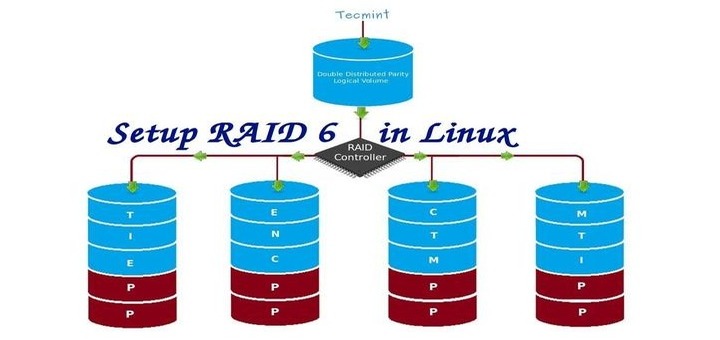
RAID 6 is upgraded version of RAID 5, where it has two distributed parity which provides fault tolerance even after
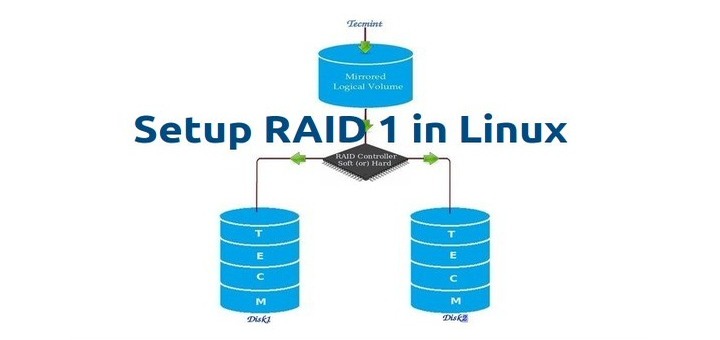
RAID Mirroring means an exact clone (or mirror) of the same data writing to two drives. A minimum two number
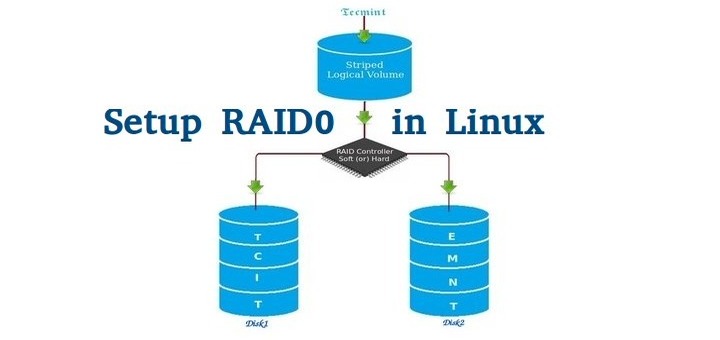
RAID is Redundant Array of Inexpensive disks, used for high availability and reliability in large scale environments, where data need
PXE Server – Preboot eXecution Environment – instructs a client computer to boot, run or install an operating system directly
chattr (Change Attribute) is a command line Linux utility that is used to set/unset certain attributes to a file in
In our previous article, we’ve shown you how to setup prerequisites for Oracle 12c installation. In this article we will

The listing command in UNIX and UNIX like operating System ‘ls‘ is one of the most basic and widely used

The previous tutorial concerning SHOUTcast server, just covered the basic server setup on CentOS 7 Linux distribution, without any live